Archives
- 2026-09
- 2026-08
- 2026-07
- 2026-06
- 2026-05
- 2026-04
- 2026-03
- 2026-02
- 2026-01
- 2025-12
- 2025-11
- 2025-10
- 2025-09
- 2025-03
- 2025-02
- 2025-01
- 2024-12
- 2024-11
- 2024-10
- 2024-09
- 2024-08
- 2024-07
- 2024-06
- 2024-05
- 2024-04
- 2024-03
- 2024-02
- 2024-01
- 2023-12
- 2023-11
- 2023-10
- 2023-09
- 2023-08
- 2023-07
- 2023-06
- 2023-05
- 2023-04
- 2023-03
- 2023-02
- 2023-01
- 2022-12
- 2022-11
- 2022-10
- 2022-09
- 2022-08
- 2022-07
- 2022-06
- 2022-05
- 2022-04
- 2022-03
- 2022-02
- 2022-01
-
While we chose to divide our
2023-10-12
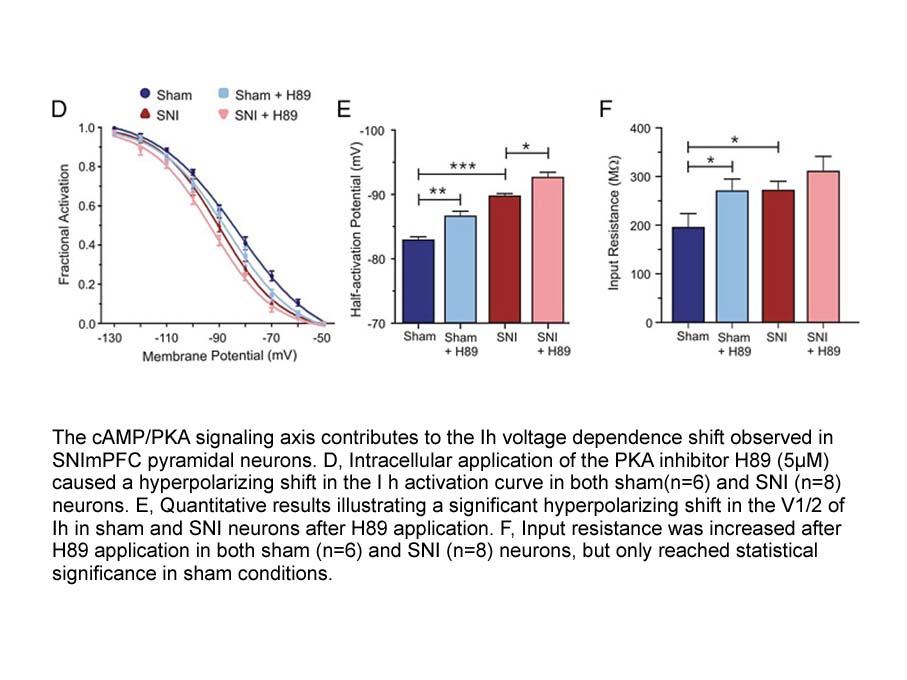
While we chose to divide our etiologies into three categories, it should be noted that such division has certain limitations. Even though URIs and the common cold are considered mainly viral in origin and rhinosinusitis mainly bacterial in origin,26, 27 there is considerable overlap between these co
-
br Introduction The development and plasticity of synapses i
2023-10-12
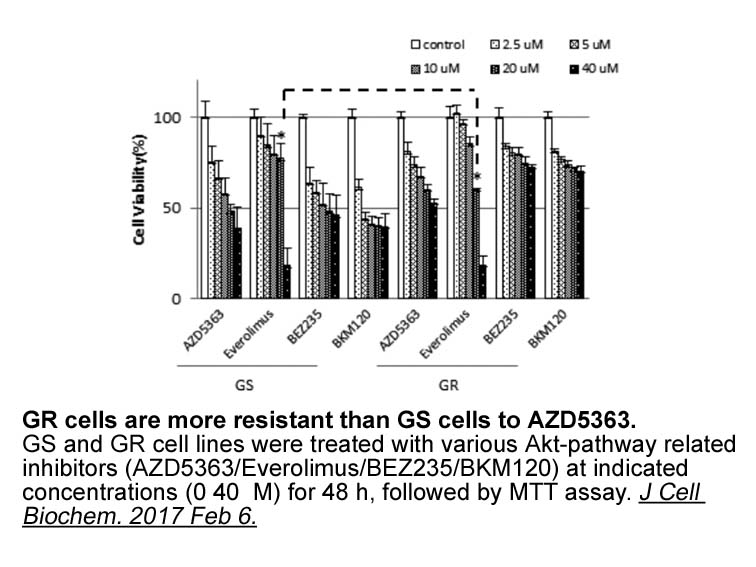
Introduction The development and plasticity of synapses involve the timely recruitment of a plethora of proteins on both pre- and postsynaptic sides through ill-defined mechanisms. At excitatory synapses, two of the major proteins that are dynamically recruited postsynaptically are the Ca2+/calmo
-
br MHCI peptide editing N terminal
2023-10-12
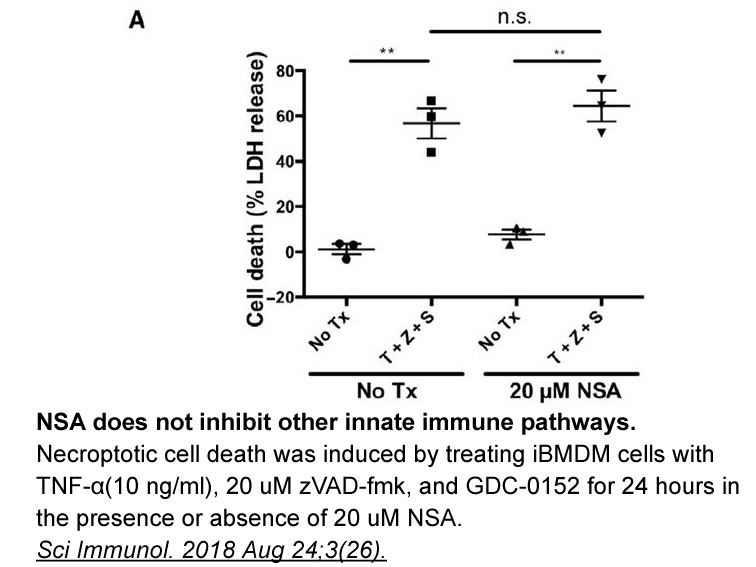
MHCI peptide editing, N-terminal extensions and the peptide loading complex Conventionally, peptide-MHCI binding is thought to require both amino- and carboxyl-termini for stable interaction (Madden, 1995; Bouvier and Wiley, 1994). Peptides with longer than optimal length (10–13 residues) have be
-
A unique finding in this study is that LO
2023-10-12
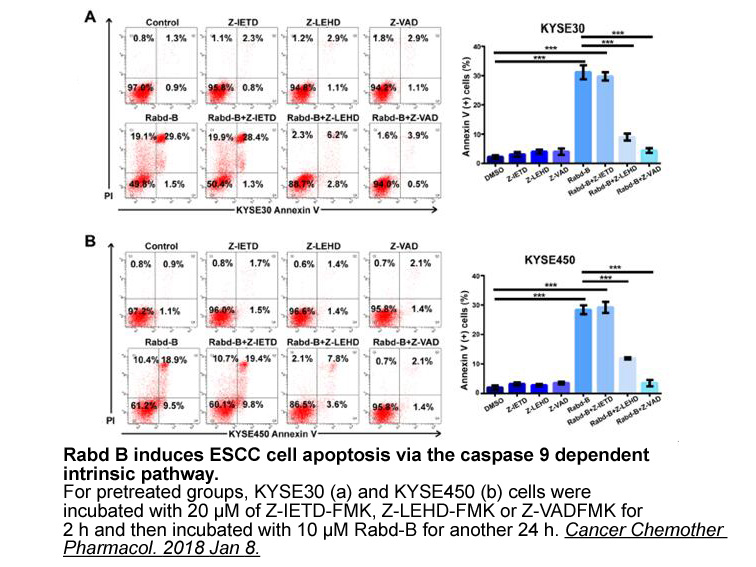
A unique finding in this study is that 12/15-LO influences CREB phosphorylation in the murine brain. While previous reports have found that knockout of 5-lipoxygenase, a related enzyme that also uses arachidonic Ac-DEVD-AFC mg for substrate, can regulate CREB phosphoryation in the context of Alzhei
-
These mutations induce the gene auto
2023-10-12
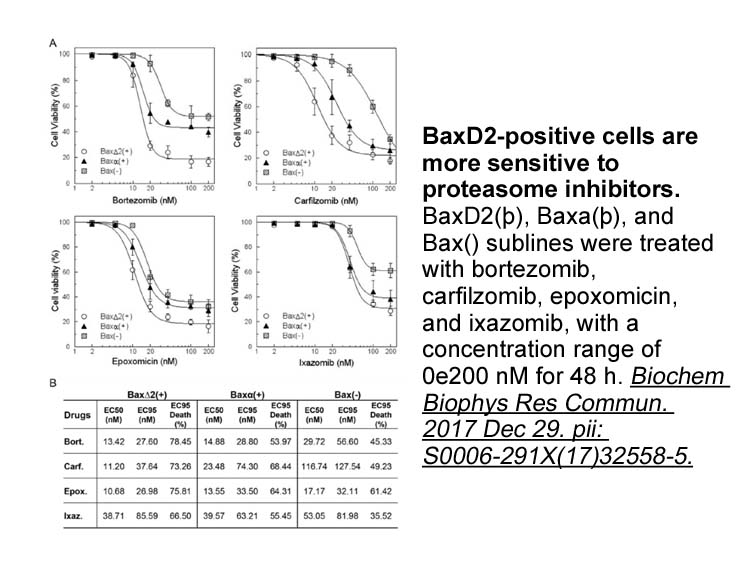
These mutations induce the gene auto-activation in 10–40% of adenocarcinomas, triggering the EGFR-signaling pathway in the absence of ligand. That leads to an uncontrolled acceleration of cell proliferation, survival and anti-apoptotic signals (Couraud et al., 2012). The frequency of these mutations
-
Tissue distribution showed that ctrp was abundantly expresse
2023-10-12
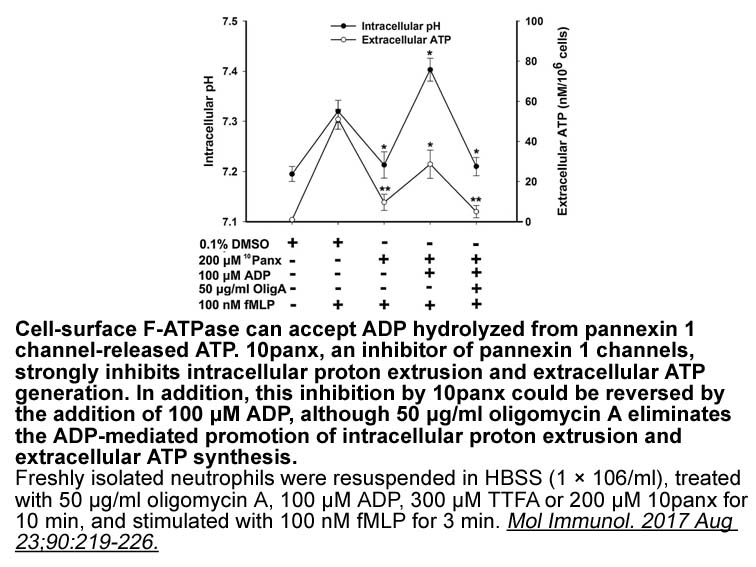
Tissue distribution showed that ctrp9 was abundantly expressed in the kidney of male and female tilapia. In mice, the Ctrp9 was identified in adipose tissue, and the expression levels were higher in females than that of males (Wong et al., 2009). Recent studies indicated that Ctrp9 was also expresse
-
The specific binding domain between PGK in group B strepotoc
2023-10-12
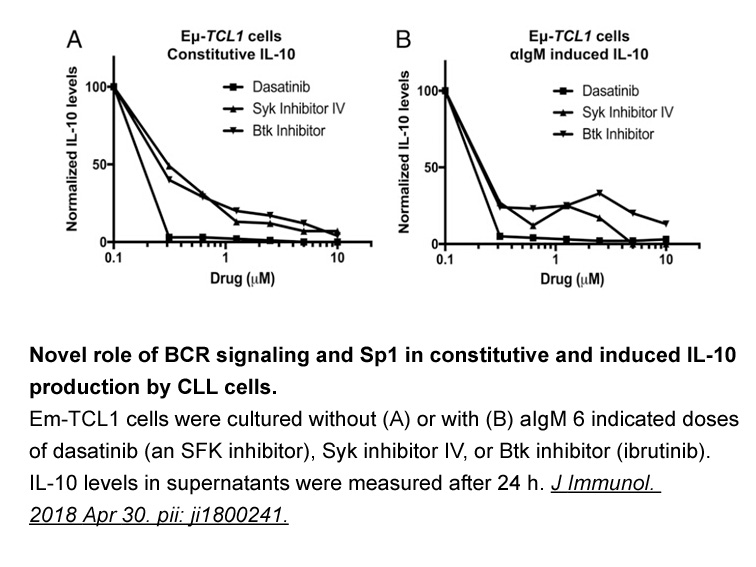
The specific binding domain between PGK in group B strepotocci (GBS) and actin had been reported . PGK as the actin-binding protein identified in TMW 1.1434, which displayed highly significant adhesion was investigated for the binding sites and compared to bacteria with less strong adhesion to actin
-
BMS345541 hydrochloride br Discussion Myopathic EMG changes
2023-10-12
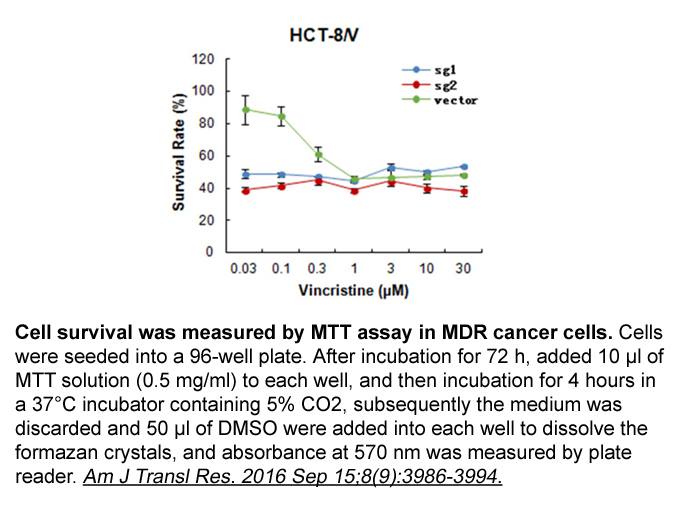
Discussion Myopathic EMG changes are frequently detected in patients with MuSK MG, unlike in AChR MG patients [10]. However, these EMG changes are not always accompanied by myopathic histopathological findings. It has been shown that mitochondrial abnormalities seem to be more prominent in MuSK M
-
Similar to V the temporal neocortex of
2023-10-12
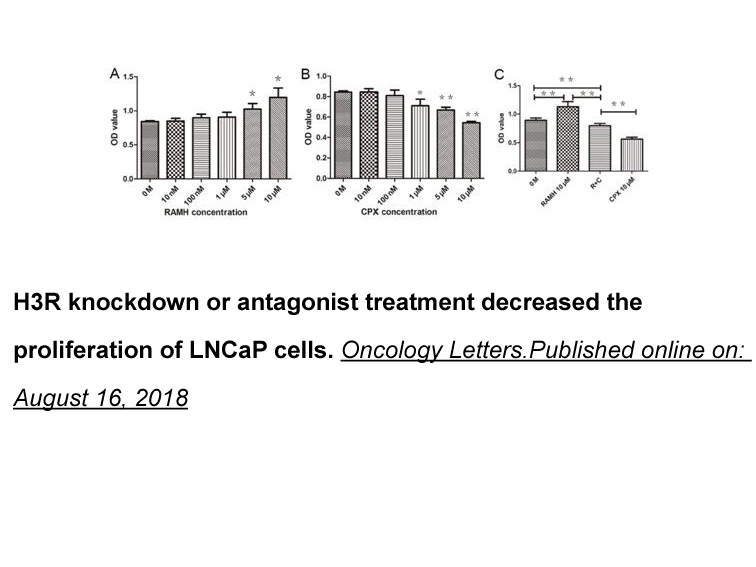
Similar to V1, the temporal neocortex of mammals, including the primary auditory cortex (A1), is densely innervated by 5-HT fibers originating mainly in the dorsal raphe nucleus (Campbell et al., 1987, Harding and Paxinos, 2004, Törk, 1990), and the major Malonic acid of 5-HTRs are expressed throug
-
Regarding androgens it is known that they are also
2023-10-12
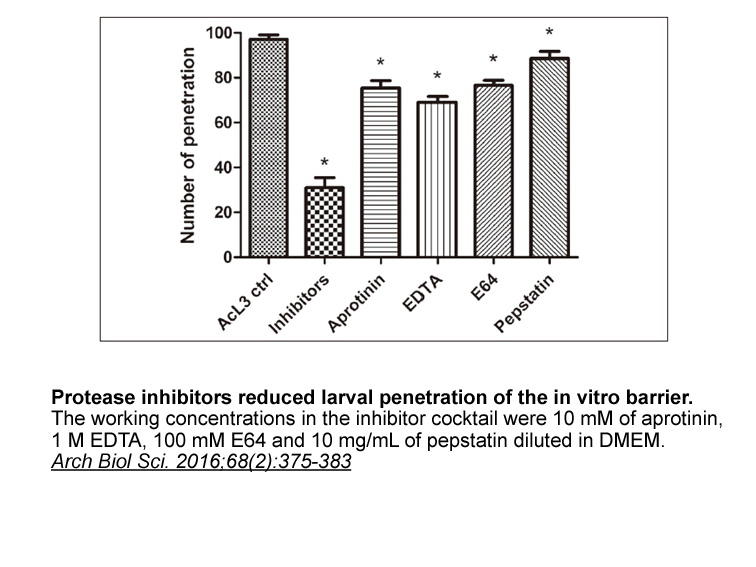
Regarding androgens, it is known that they are also essential for reproductive success (Walters et al., 2010). At the molecular level, their effects are produced mainly by dihydrotestosterone (DHT), arising from the conversion of testosterone by the enzyme 3-oxo-5-alpha-steroid-4-dehydrogenase (enco
-
Aminoallyl-dUTP - Cy3 receptor br The human CYP A gene is lo
2023-10-11
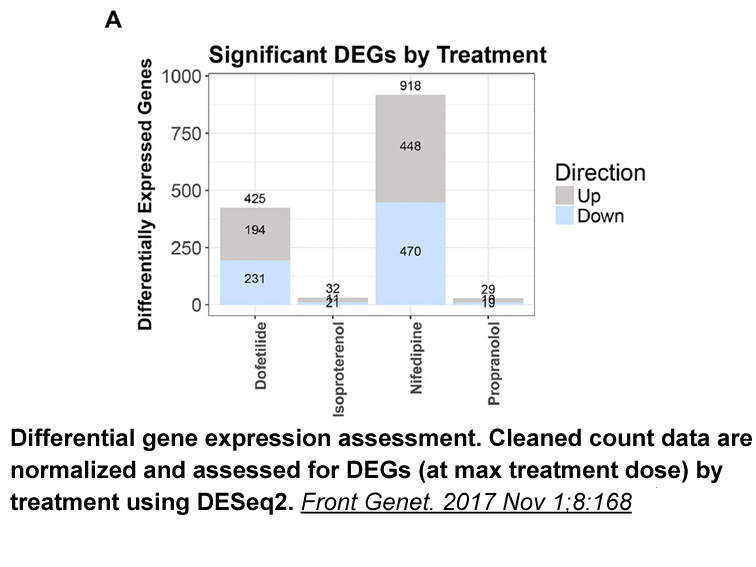
The human CYP17A1 gene is located on chromosome 10q24.3 (1) and spans 6.6 kb, which contain eight exons (2) and 1.6 kb of coding region. From this gene, the same 2.1-kb mRNA species is transcribed in both the adrenals and gonads (3), which yields a 57-kDa microsomal cytochrome P450c17 enzyme (CYP1
-
The tumor suppressor function of LOX in normal prostate
2023-10-11
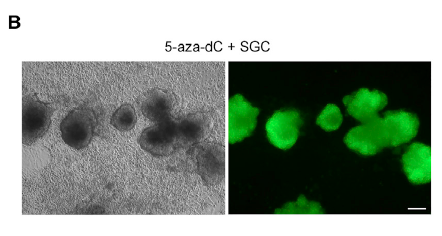
The tumor-suppressor function of 15-LOX-2 in normal prostate epithelial cells may be explained by the induction of replicative senescence [14,15]. Thus, 15-LOX-2 is overexpressed in age-dependent prostatic hyperplasia, but cell senescence may hinder progression to malignant transformation. Notwithst
-
br Experimental protocols br Results and discussion
2023-10-11
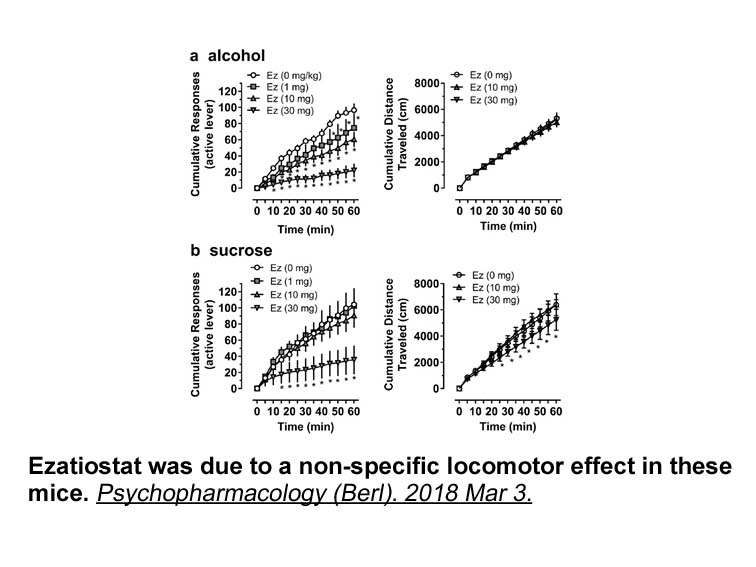
Experimental protocols Results and discussion Conclusion 15-LOX-1 is an important mammalian lipoxygenase which plays an important role in the biosynthesis of leukotrienes, lipoxins and other signalling molecules. These signalling molecules play a regulatory role in several respiratory disea
-
Thirdly and finally multiple studies have analyzed the
2023-10-11
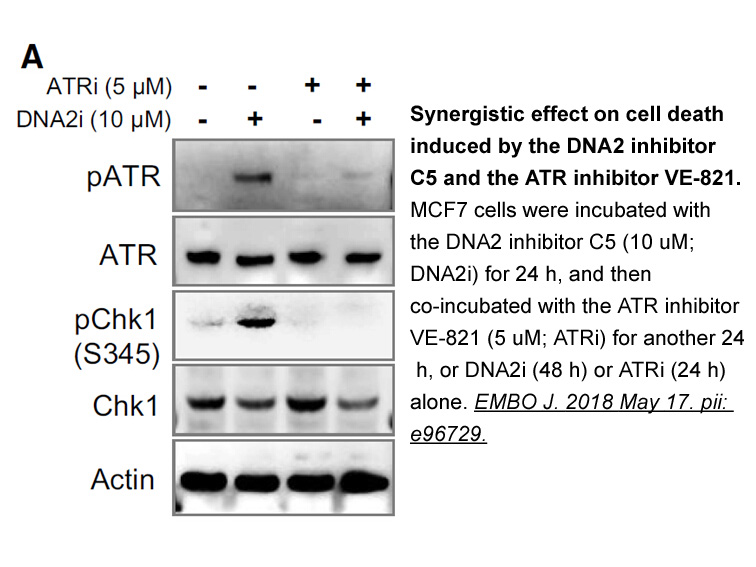
Thirdly and finally, multiple studies have analyzed the activation of neurons in the auditory telencephalic areas of songbirds in response to various auditory stimuli. Neuronal activation was identified by the increased expression of immediate early genes such as fos or ZENK (also know as zif-268, e
-
In conclusion the partial sequencing and characterization of
2023-10-11
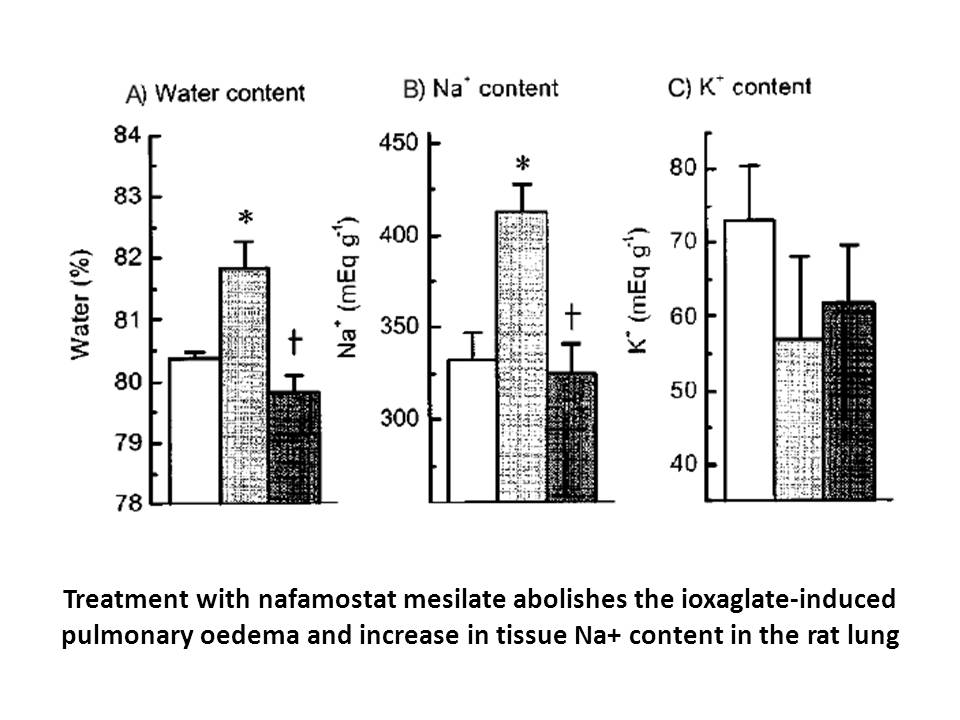
In conclusion, the partial sequencing and characterization of R. quelen cyp19a1b provides essential information about this gene and its presence in peripheral tissues outside of the central nervous system in a teleost. Furthermore, we covered sex differences in the effects of E2 on the cyp19a1b gen
8540 records 293/570 page Previous Next First page 上5页 291292293294295 下5页 Last page