Archives
- 2026-10
- 2026-09
- 2026-08
- 2026-07
- 2026-06
- 2026-05
- 2026-04
- 2026-03
- 2026-02
- 2026-01
- 2025-12
- 2025-11
- 2025-10
- 2025-09
- 2025-03
- 2025-02
- 2025-01
- 2024-12
- 2024-11
- 2024-10
- 2024-09
- 2024-08
- 2024-07
- 2024-06
- 2024-05
- 2024-04
- 2024-03
- 2024-02
- 2024-01
- 2023-12
- 2023-11
- 2023-10
- 2023-09
- 2023-08
- 2023-07
- 2023-06
- 2023-05
- 2023-04
- 2023-03
- 2023-02
- 2023-01
- 2022-12
- 2022-11
- 2022-10
- 2022-09
- 2022-08
- 2022-07
- 2022-06
- 2022-05
- 2022-04
- 2022-03
- 2022-02
- 2022-01
-
br Materials and methods This is
2022-04-01

Materials and methods This is a retrospective case-controlled study. The cases were selected based on the presence or absence of preeclampsia. Women enrolled in the study delivered singleton pregnancies at our institution from June 2003 to July 2004. Preeclampsia is defined as elevated blood pres
-
Based on the above presumption activation
2022-04-01

Based on the above presumption, activation of Sox11 and FAK might be beneficial for alleviating the VILI. Previous studies have showed the relevance of Sox11 or FAK up-regulation with improvement of tissue injury. For example, over-expression of Sox11 protected and improved the tissue function or st
-
Septic shock a condition where endothelium derived substance
2022-04-01

Septic shock, a condition where endothelium-derived substances most likely play an important role, is often accompanied by cardiac dysfunction, pulmonary hypertension, systemic hypotension and impaired oxygen utilisation with systemic acidosis (Vincent, 1998). Experimental endotoxaemia shows a simil
-
Erlotinib Hydrochloride This study has some limitations The
2022-04-01
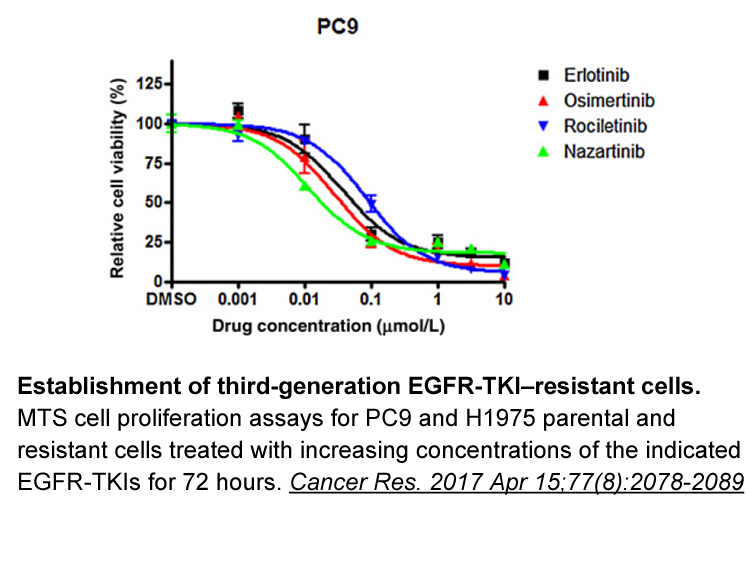
This study has some limitations. The RDS technique was not effective for the population of MSM from Natal, as it has not reached the sample size initially calculated. Few seeds had enough waves to disperse the sample and make it closer to a probabilistic sample, even with all efforts from the resear
-
br Materials and methods br Results br Discussion
2022-04-01
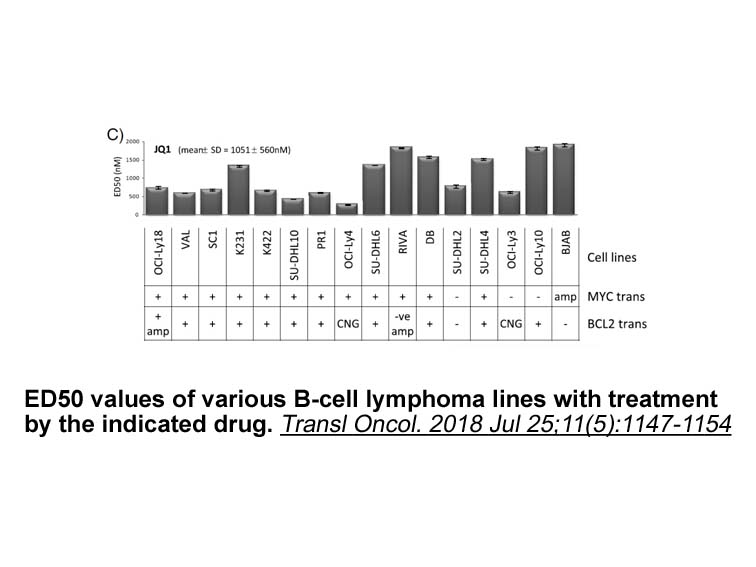
Materials and methods Results Discussion This was the first large study to quantify both total HIV DNA and integrated HIV DNA, which is the main persistent form of HIV [25,26], in samples collected during PHI, chronic infection, and at various time points until the AIDS stage, which was mad
-
On the other hand G a GLP could also alter
2022-03-31
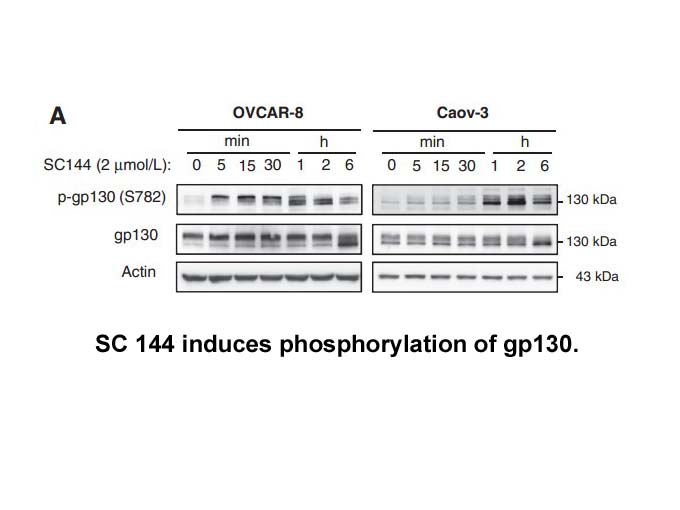
On the other hand, G9a/GLP could also alter neuronal function without directly altering the transcription level of particular plasticity-related protein: the consolidation of early-LTP to late-LTP, as well as the reversal of mGluR-LTD by G9a/GLP inhibition required PKMζ translation and its downstrea
-
It is important to highlight that glucose dependent generati
2022-03-31
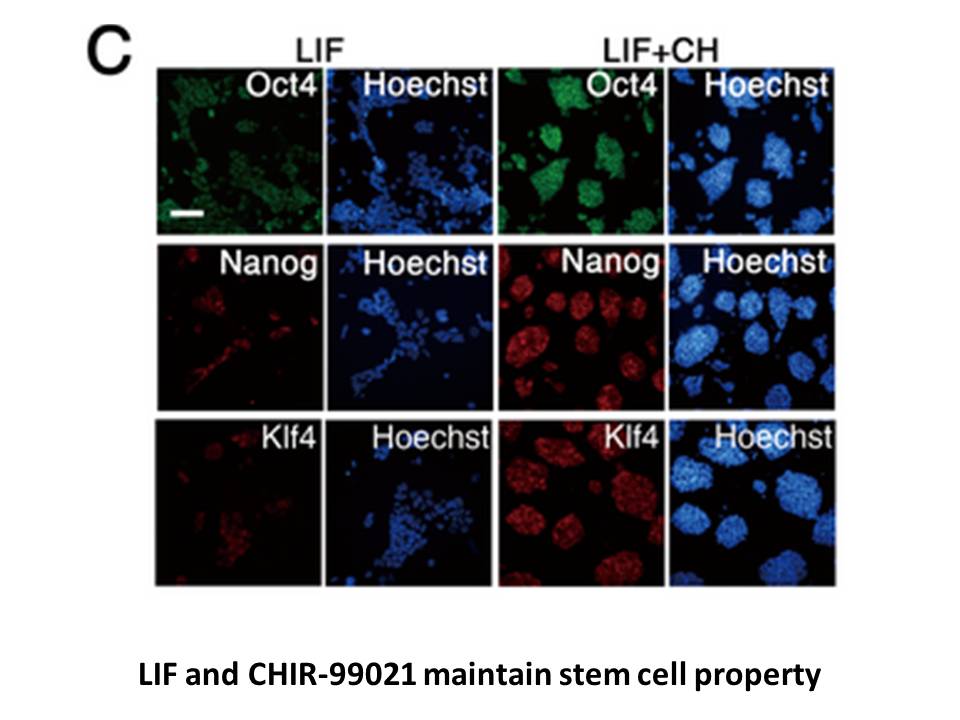
It is important to highlight that glucose-dependent generation of OMP of high magnitudes occurs due to the voltage-gating properties of VDACs, because only small magnitudes of OMP were obtained when the VDAC voltage sensitivity was zero (Fig. 5). These results indicate a possible physiological role
-
Several bacterial functional pathways were observed
2022-03-31
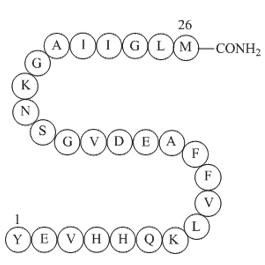
Several bacterial functional pathways were observed after DON administration, of which signal transduction, metabolism and genetic information processing displayed the highest levels of enrichment. Importantly, these three pathways were reported to be closely associated with DON's toxicity. Many evi
-
The Rab to Rab switch on endosomes co occurs
2022-03-31
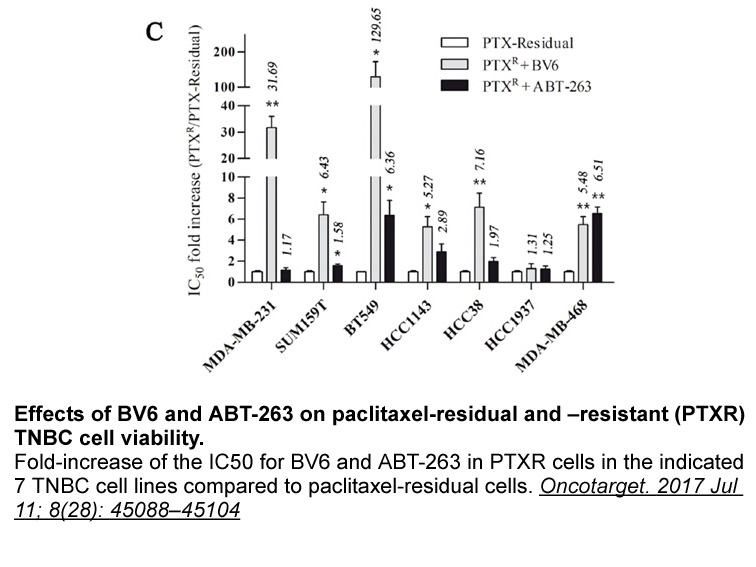
The Rab5 to Rab7 switch on endosomes co-occurs with the release of the Rab5 GEF Rabex5 from endosomes, which prevents further Rab5 activation [5]. In addition, the Rab5 GAP is recruited to inactivate remaining Rab5 [67]. Recent data suggest that another GAP, TBC1D5, which binds the retromer complex,
-
br Conflict of interest statement
2022-03-31
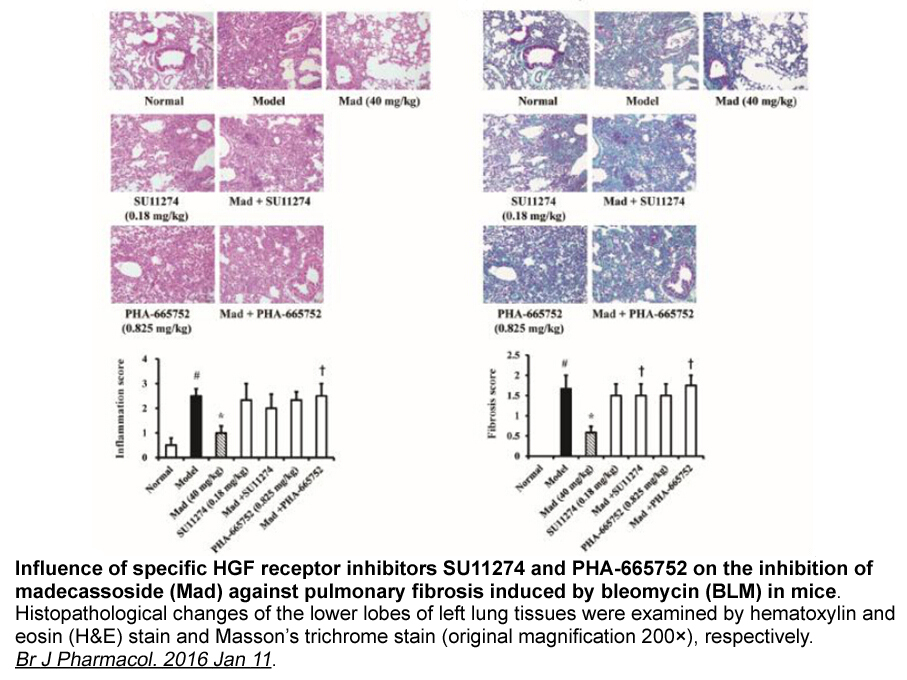
Conflict of interest statement Acknowledgements RF is supported by Pancreatic Cancer Research Fund (grant to MF); MF is supported by Prostate Cancer UK (PG12-23 and PG13-029). Background Lysophosphatidylinositol Molecular species and the biosynthesis of phosphatidylinositol, the precu
-
Consistent with other studies on the metabolic
2022-03-31
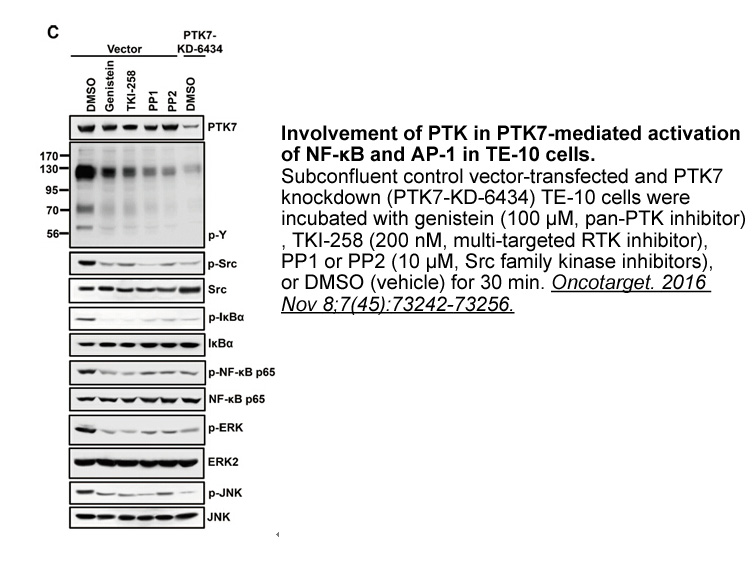
Consistent with other studies on the metabolic effects of an OM3 enriched diet [26,104,105], irrespective of gender, the lowest glucose levels were seen in the Bob-Cat groups fed OM3 diet. Sexual dimorphism was observed in insulin levels. The highest average levels were in the HFD fed [Tg(CAT)±] mal
-
br Materials and methods br Results br Discussion
2022-03-31

Materials and methods Results Discussion and conclusions Our data demonstrate that native and 2-OMe-LPC analogues are GPR119 ligands and activate insulin secretion from βTC-3 pancreatic cells. LPC 18:1 was the first proposed endogenous ligand for GPR119 [1], however natural LPC has limited
-
To facilitate the development of
2022-03-31
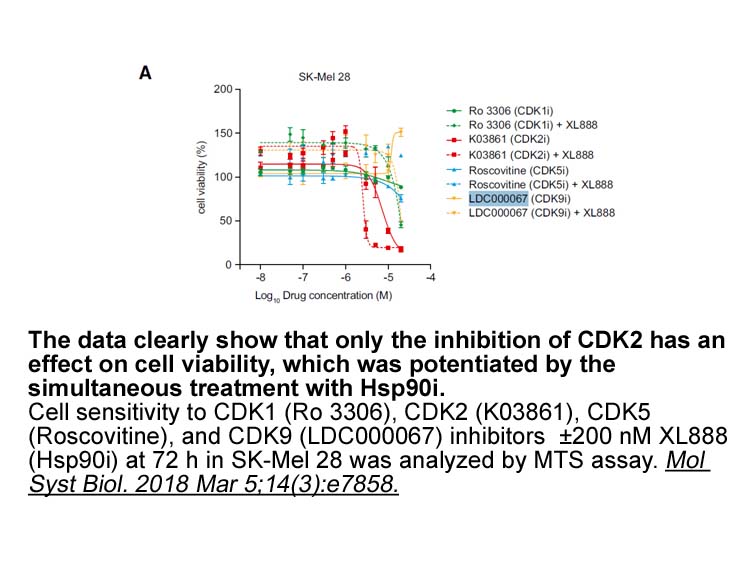
To facilitate the development of novel diagnostic and therapeutic interventions in NASH, a plethora of animal models have been used to identify molecular targets that are involved in the onset and progression of NASH. In view of recent advances in the understanding of the pathogenesis of NASH and pr
-
One difficulty in studying gp is that it
2022-03-31
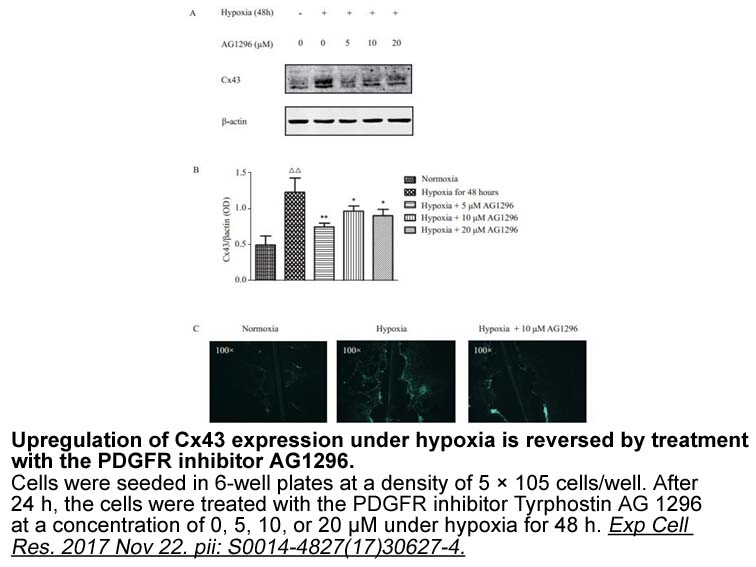
One difficulty in studying gp120 is that it binds to more than one receptor. Understanding how sitagliptin phosphate respond to gp120 is complex because of this promiscuity. In an attempt to establish the contribution of CXCR4 in the antagonistic effect of gp120 on morphine-induced antinociception,
-
br Materials and methods br Results br Discussion The
2022-03-31
Materials and methods Results Discussion The redox domain that spans the region between amino acridine orange positions 35 and 127 of the major human AP endonuclease, APE1, regulates the sequence-specific DNA binding of various transcription factors [[52], [85]]. The existent crystal struct
8567 records 517/572 page Previous Next First page 上5页 516517518519520 下5页 Last page