Archives
- 2026-10
- 2026-09
- 2026-08
- 2026-07
- 2026-06
- 2026-05
- 2026-04
- 2026-03
- 2026-02
- 2026-01
- 2025-12
- 2025-11
- 2025-10
- 2025-09
- 2025-03
- 2025-02
- 2025-01
- 2024-12
- 2024-11
- 2024-10
- 2024-09
- 2024-08
- 2024-07
- 2024-06
- 2024-05
- 2024-04
- 2024-03
- 2024-02
- 2024-01
- 2023-12
- 2023-11
- 2023-10
- 2023-09
- 2023-08
- 2023-07
- 2023-06
- 2023-05
- 2023-04
- 2023-03
- 2023-02
- 2023-01
- 2022-12
- 2022-11
- 2022-10
- 2022-09
- 2022-08
- 2022-07
- 2022-06
- 2022-05
- 2022-04
- 2022-03
- 2022-02
- 2022-01
-
br Results and discussion br Conclusion
2022-03-24
Results and discussion Conclusion In summary, we designed and discovered a series of novel GPR40 agonists containing 3,5-dimethylisoxazole with improved tPSA and ideal cLog P. Most of these compounds were confirmed as excellent GPR40 agonists in vitro. Especially, compound 11k exhibited robust
-
Recently the toxicity of TBT was demonstrated
2022-03-24
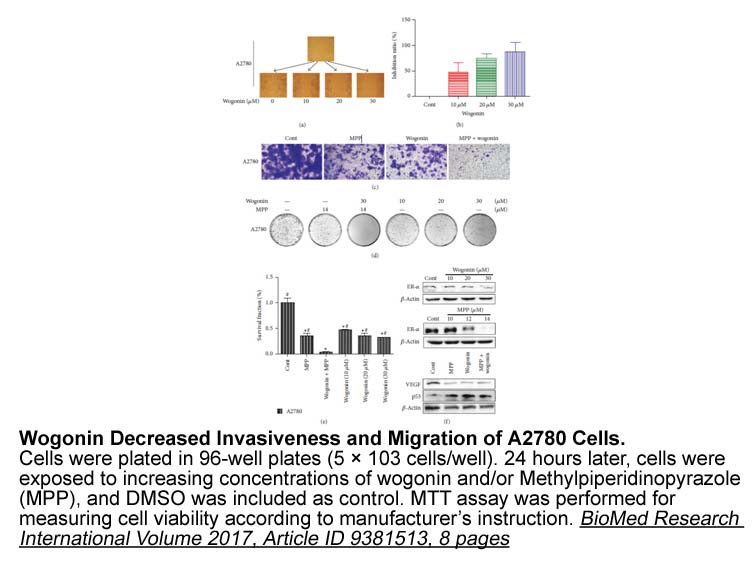
Recently, the toxicity of TBT was demonstrated at the vascular level in animal models (Nath, 2008), and the results obtained so far suggest that TBT may be a potential risk factor for cardiovascular diseases. TBT is capable to alter the coronary vascular reactivity to estradiol (dos Santos et al., 2
-
The only approved H R antagonist
2022-03-24
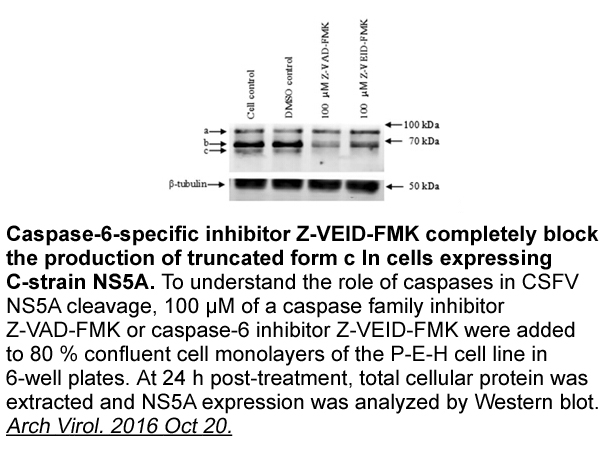
The only approved H3R antagonist/inverse agonist is BF2.649 (1- 3-[3-(4-chlorophenyl)propoxy]propyl piperidine), developed by Bioprojet and known as pitolisant (Wakix®). It was approved by the European Medicines Agency in March 2016 and marketed in the European Union to be used in narcolepsy with or
-
To prevent toxicity of free hemoglobin
2022-03-24
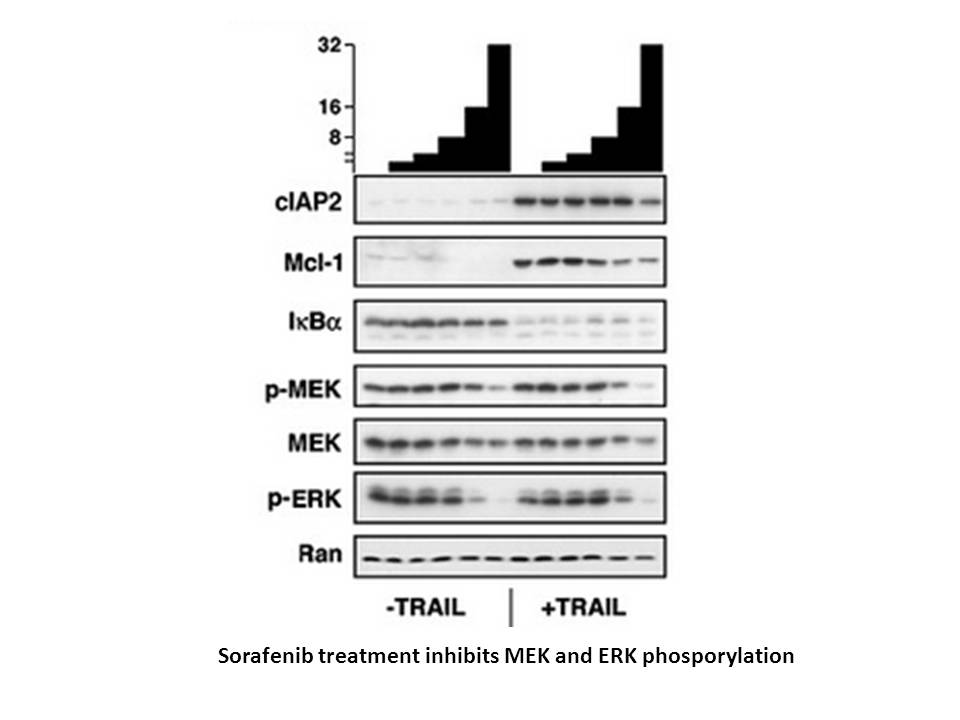
To prevent toxicity of free hemoglobin as well as its degradation metabolites heme and free iron, several scavenger proteins and degradation enzymes protect the body. Haptoglobin (Hp) is the most well described hemoglobin scavenging protein that binds free hemoglobin and transports it to macrophages
-
Deferoxamine br Introduction Although effective hepatitis B
2022-03-24
Introduction Although effective hepatitis B virus (HBV) vaccines are in use worldwide, HBV-related liver diseases are still a major public health concern, causing considerable morbidity and mortality. Approximately 257 million people are currently suffering from chronic hepatitis B and 887,000 de
-
Aspartame l aspartyl l phenylalanine
2022-03-24
Aspartame (l-aspartyl l-phenylalanine methylester) is a dipeptide artificial sweetener that is widely used as a non-nutritive sweetener in various food products [1]. The increased market of dietary products and the development of new synthetic sweetening compounds have not been sufficiently explored
-
The ketone body receptor HCA is most likely not
2022-03-24
The ketone body receptor HCA2 is most likely not active under normal conditions, since local levels and plasma levels of ketone bodies such as β-HB are too low to activate the receptor. However, overnight fasting or prolonged starvation results in plasma levels of the ketone body in the millimolar r
-
The GPR gene was included in
2022-03-24
The GPR35 gene was included in our survey because of its location immediately 3′ to CAPN10 and because it showed evidence of association with type 2 diabetes. Also, its expression in tissues including pancreatic islets and skeletal muscle is consistent with a possible role in type 2 diabetes. Our re
-
PD0332991 Isethionate synthesis br Materials and methods br
2022-03-24
Materials and methods Results Discussion l-glutamate is the major excitatory neurotransmitter in the brain, and is functionally involved in many processes of the nervous system which have been connected with several neurological diseases [4]. These conditions are characterized by the time-d
-
We observed the reduced expression of the GluN a subunit
2022-03-24
We observed the reduced expression of the GluN2a subunit in the temporal and entorhinal cortexes and ventral hippocampus, which may result in the predominance of GluN2b-containing NMDA receptors during the latent period. Previously, using the same model, we revealed the reduction of the GluN2a/GluN2
-
br Introduction Glucokinase GCK hexokinase IV
2022-03-24
Introduction Glucokinase (GCK, hexokinase IV) is a monomeric enzyme that catalyzes the ATP-dependent conversion of glucose to glucose 6-phosphate, the first and rate-limiting step of glycolysis in the liver and pancreas [1,2]. GCK was first discovered in the early 1960's, and shortly thereafter i
-
Acknowledgments br Introduction Type diabetes mellitus T DM
2022-03-24
Acknowledgments Introduction Type 2 diabetes mellitus (T2DM) is caused by relative insulin deficiency or insulin resistance in peripheral tissues. The clinical management of T2DM is achieved by controlling blood glucose levels. Current therapies available for treatment of T2DM include biguanides
-
The exocytosis promotion is triggered upon the binding of Ca
2022-03-23

The glucokinase promotion is triggered upon the binding of Ca2+ to the C2 domains of two key protein groups, i.e. complexin and certain synaptogamins (Lai et al., 2017; Rizo and Xu, 2015). The first step of the vesicle fusion is the priming of the secretory vesicles, involved at the switching from c
-
The importance of the histone chaperone function of Hat p
2022-03-23
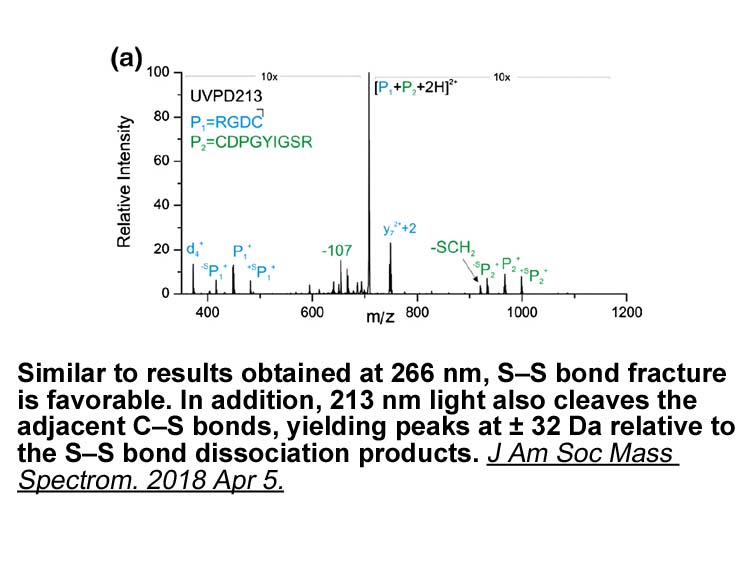
The importance of the histone chaperone function of Hat1p was highlighted by the recent demonstration that the catalytic activity of Hat1p is not sufficient for its function in vivo. Fusion of a nuclear export signal (NES) to yeast Hat1p effectively excluded the enzyme from the nucleus, with a conc
-
Betahistine N methyl pyridyl ethylamine is a well
2022-03-23
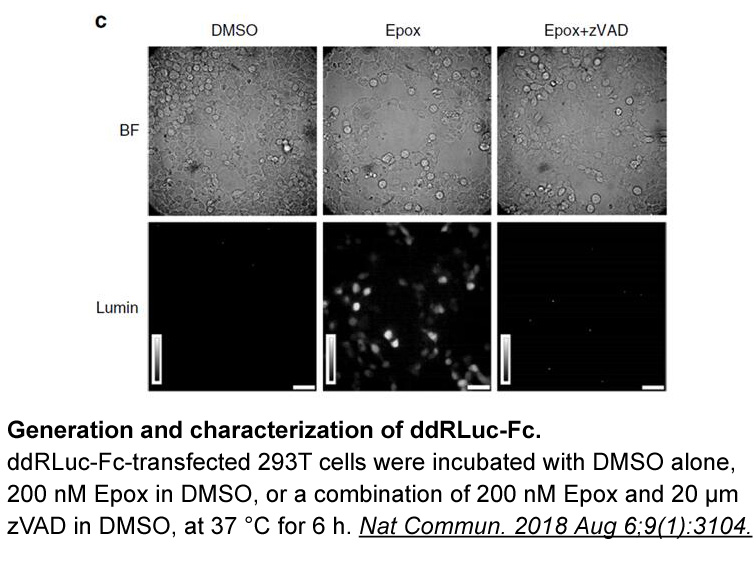
Betahistine (N-methyl-2-(2-pyridyl)ethylamine) is a well-known dual H1 GSK2636771 mg agonist/H3 receptor antagonist with structural resemblance to histamine. Though it has been approved long before the discovery of H3R to treat disorders of vestibular function as Menières-Disease, the evidence for t
8567 records 523/572 page Previous Next First page 上5页 521522523524525 下5页 Last page