Archives
- 2026-09
- 2026-08
- 2026-07
- 2026-06
- 2026-05
- 2026-04
- 2026-03
- 2026-02
- 2026-01
- 2025-12
- 2025-11
- 2025-10
- 2025-09
- 2025-03
- 2025-02
- 2025-01
- 2024-12
- 2024-11
- 2024-10
- 2024-09
- 2024-08
- 2024-07
- 2024-06
- 2024-05
- 2024-04
- 2024-03
- 2024-02
- 2024-01
- 2023-12
- 2023-11
- 2023-10
- 2023-09
- 2023-08
- 2023-07
- 2023-06
- 2023-05
- 2023-04
- 2023-03
- 2023-02
- 2023-01
- 2022-12
- 2022-11
- 2022-10
- 2022-09
- 2022-08
- 2022-07
- 2022-06
- 2022-05
- 2022-04
- 2022-03
- 2022-02
- 2022-01
-
br HMGB proteins and chromatin structure The
2025-01-10
HMGB proteins and chromatin structure The multifaceted roles played by HMGB (formerly called HMG-1 and -2) proteins in modulating chromatin structure, gene transcriptional activity and cellular phenotype have been covered in a number of recent reviews and readers are referred to these for in-dept
-
About three weeks later the patient visited our outpatient c
2025-01-10

About three weeks later, the patient visited our outpatient clinic complaining of gingival bleeding and pus discharge. In clinical examination bone exposure was observed in both mandibular posterior regions and bone necrosis had developed surrounding the #35=37 and 46, 47 implants installed 6 years
-
The proinflammatory cytokines and chemokines including IL TN
2025-01-10

The proinflammatory cytokines and chemokines, including IL-1β, TNF-α and MCP-1, mediate acute and chronic inflammation and play a role in the development of hypertension [2, [51], [52], [53]], cardiovascular diseases [4, 54] and renal injury [55, 56] in animal models and humans. Concerning the possi
-
br Funding This study was supported
2025-01-10

Funding This study was supported by a grant from the Science and Technology Program of Guangzhou (No. 2014Y2-00181) and the personnel training program of Southern Medical University (No. PY2015N023). Conflict of interest statement Authors’contributions Introduction Chronic cerebral hypo
-
Recombinant murine M-CSF There is a growing body of evidence
2025-01-10
There is a growing body of evidence showing that pentobarbital causes memory disorders [3], [4], [5]. Our results that a single injection of pentobarbital into bilateral hippocampus significantly impaired hippocampus-dependent spatial memory retrieval (Fig. 1) add support to that evidence. Previous
-
The mechanism of transformation into SCLC is unclear
2025-01-10
The mechanism of transformation into SCLC is unclear but the loss of retinoblastoma gene (RB) seems important and constitutes an initial event in the tumorigenic process. Some reports revealed the role of the RB gene loss in EGFR mutated NSCLC who transformed into SCLC [15]. In NGS we retrieved mut
-
Liaohe River situates in the southwestern part of
2025-01-10
Liaohe River situates in the southwestern part of Northeast China and flows through Liaoning Province. Due to the rapid urbanization and industrialization, Liaohe River has become one of the most polluted rivers in China. Multitudinous organic pollutants that can induce toxicity to organisms such as
-
It is reported that Adiponectin
2025-01-10
It is reported that Adiponectin is able to suppress NF-κB pathway, and Bcr-Abl fusion oncoprotein in CML activates NF-κB by stimulating its nuclear translocation and also by enhancing its transactivation function [25], [26]. Therefore, it is tempting to hypothesize that NF-κB pathway might be involv
-
br Experimental procedures Adk tg Adktm tg UbiAdk
2025-01-10
Experimental procedures Adk-tg (Adktm1−/−:tg(UbiAdk) mice were created by breeding a loxP-flanked Adk transgene under the control of a human ubiquitin promoter into ADK knockout mice (Fedele et al., 2005,). Fb-Adk-def (Adktm1−/−:tg(UbiAdk):Emx1-Cre-tg3) mice were generated by pairing Emx1-Cre-tg3
-
br Introduction Adenosine deaminase ADA also known
2025-01-10

Introduction Adenosine deaminase (ADA), also known as adenosine aminohydrolase, is a key enzyme involved in the purine metabolism that converts adenosine to inosine irreversibly (Lupidi et al., 1997). It is a zinc containing metalloenzyme present in both prokaryotes and eukaryotes. In humans ADA
-
Children with ADA SCID commonly suffer from a variety
2025-01-10
Children with ADA-SCID commonly suffer from a variety of opportunistic infections, including viral, fungal, and mycobacterial infections. Due to defects in let's take ibuprofen together meme genartor and IG production, they are also susceptible to infection with encapsulated bacteria such as Haemop
-
Plant material and growth conditions Arabidopsis thaliana ec
2025-01-10
Plant material and growth conditions. Arabidopsis thaliana ecotype Columbia was grown on a mixture of soil, vermiculite, and perlite (4:2:1) with a 16h light/8h dark Tranilast Sodium in a temperature-controlled growth room (22°C), unless indicated otherwise. Molecular cloning and plant transformat
-
br Discussion Here we focused on seven plant alkaloids extra
2025-01-09
Discussion Here, we focused on seven plant alkaloids extracted from yokukansan. These alkaloids individually inhibited 5-HT-mediated 5-HT3A and 5-HT3AB receptor currents weakly. Simultaneous administration of these alkaloids, however, inhibited the 5-HT3A and 5-HT3AB receptor currents strongly. T
-
In liver the essential organ of lipoprotein synthesis
2025-01-09
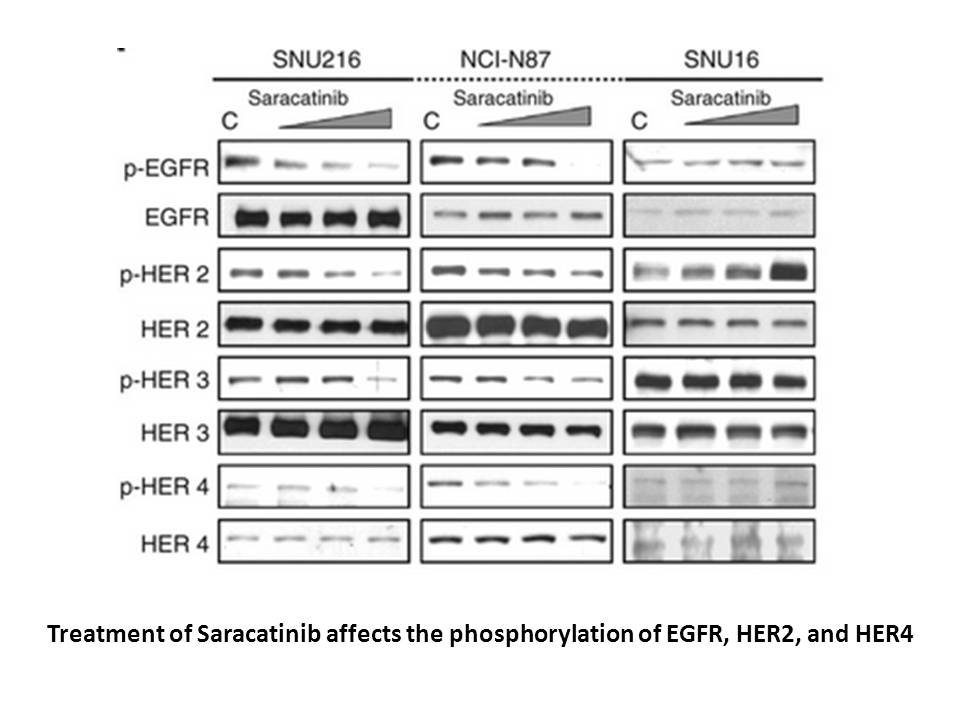
In liver, the essential organ of lipoprotein synthesis, ACL plays a fundamental role in lipogenesis and steroidogenesis by supplying cytosolic PFI 3 to both pathways. By using a tricarboxylic acid cycle intermediate (citrate) to produce acetyl CoA, ACL can be seen as an important bridge between car
-
Acl converts cytosolic citrate CoA and ATP into acetyl
2025-01-09
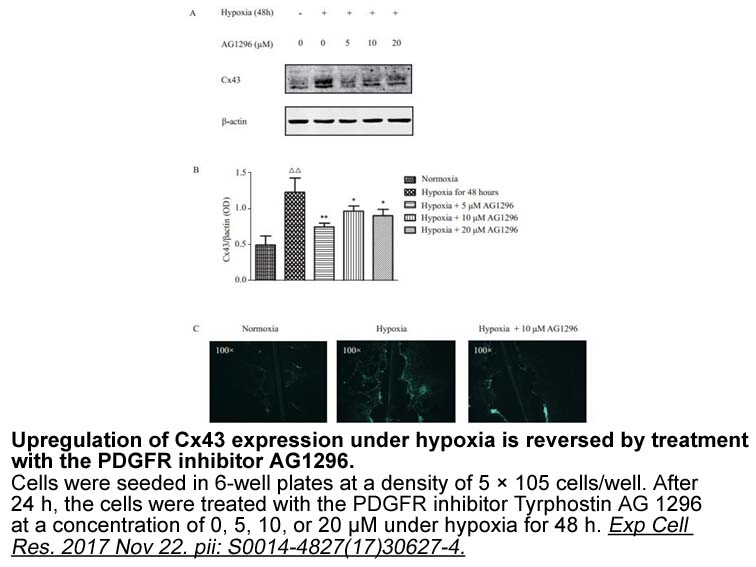
Acl converts cytosolic citrate, CoA and ATP into acetyl-CoA, ADP+Pi and oxaloacetate (Fig. 1). This cytosolic enzyme is present in few Prokaryotes and in all Eukaryotes, but not in non-oleaginous yeasts [14]. Thus, this enzyme was presumed to be essential for FA synthesis [1], [13], [15]. In most mi
8536 records 60/570 page Previous Next First page 上5页 5657585960 下5页 Last page