Archives
- 2026-07
- 2026-06
- 2026-05
- 2026-04
- 2026-03
- 2026-02
- 2026-01
- 2025-12
- 2025-11
- 2025-10
- 2025-09
- 2025-03
- 2025-02
- 2025-01
- 2024-12
- 2024-11
- 2024-10
- 2024-09
- 2024-08
- 2024-07
- 2024-06
- 2024-05
- 2024-04
- 2024-03
- 2024-02
- 2024-01
- 2023-12
- 2023-11
- 2023-10
- 2023-09
- 2023-08
- 2023-07
- 2023-06
- 2023-05
- 2023-04
- 2023-03
- 2023-02
- 2023-01
- 2022-12
- 2022-11
- 2022-10
- 2022-09
- 2022-08
- 2022-07
- 2022-06
- 2022-05
- 2022-04
- 2022-03
- 2022-02
- 2022-01
- 2021-12
- 2021-11
- 2021-10
- 2021-09
- 2021-08
- 2021-07
- 2021-06
- 2021-05
- 2021-04
- 2021-03
- 2021-02
- 2021-01
- 2020-12
- 2020-11
- 2020-10
- 2020-09
- 2020-08
- 2020-07
- 2020-06
- 2020-05
- 2020-04
- 2020-03
- 2020-02
- 2020-01
- 2019-12
- 2019-11
- 2019-10
- 2019-09
- 2019-08
- 2019-07
- 2019-06
- 2019-05
- 2019-04
- 2018-07
-
br Declaration of interest br Acknowledgments br
2021-10-18
Declaration of interest Acknowledgments This work was supported by grants from the Polish National Science Centre (PRELUDIUM grant no. 2013/11/N/NZ5/00270) and the European Commission FP7 Project Beta-JUDO (grant number 279 153), European Union EIT Health project DeTecT2D, Swedish Diabetes A
-
br FXR Agonists Azepinol b indole hEC nM efficacy eff
2021-10-18

FXR Agonists Azepinol[4,5-b]indole 1 (hEC50=600nM, efficacy (eff)=100%) was identified as a FXR agonist lead from a high-throughput screening effort. Structure–activity relationship (SAR) studies around the azepine ring demonstrated that dialkyl substitution at C-1 led to a 30-fold improvement in
-
The calculations for the R substrate showed that
2021-10-18
The calculations for the R substrate showed that, like the S substrate, the coordination shell of the Zn D609 is more symmetric than in the HIC-SG crystal structure. This symmetry indicates that the enzyme could use the same reaction mechanisms as for the S substrate, but with exchanged roles of Glu
-
Although the overall structures of mGlu and mGlu VFTs
2021-10-18
Although the overall structures of mGlu2 and mGlu3 VFTs are highly similar, two major differences can be observed: (i) the number of functional Cl− binding sites, one in mGlu2 versus two in mGlu3 receptors and (ii) the loop 7 in lobe 2 is longer in mGlu3 than in the mGlu2 receptor. These two particu
-
br STAR Methods br Acknowledgments We would like
2021-10-18
STAR★Methods Acknowledgments We would like to thank Dr. Xiping Cheng for help with the immunohistochemistry staining, Qi Su for help with gene expression analysis, and Dr. Chaoying Liang at the UTSW Genomics Microarray Core facility for assistance on RNA-seq. W.-H.L. was supported by grant awa
-
The findings in mice were echoed
2021-10-18
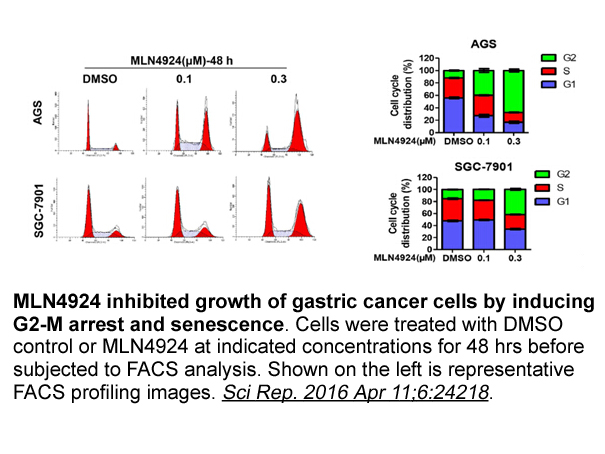
The findings in mice were echoed in the human studies, in which the effects of higher doses of LY3298178 caused greater weight loss than the selective GLP-1RA dulaglutide. In patients with T2DM, LY3298176 demonstrated meaningful weight loss after only four weeks of treatment. This was consistent wit
-
The Growth Hormone Secretagogue Receptor GHSR also known
2021-10-18
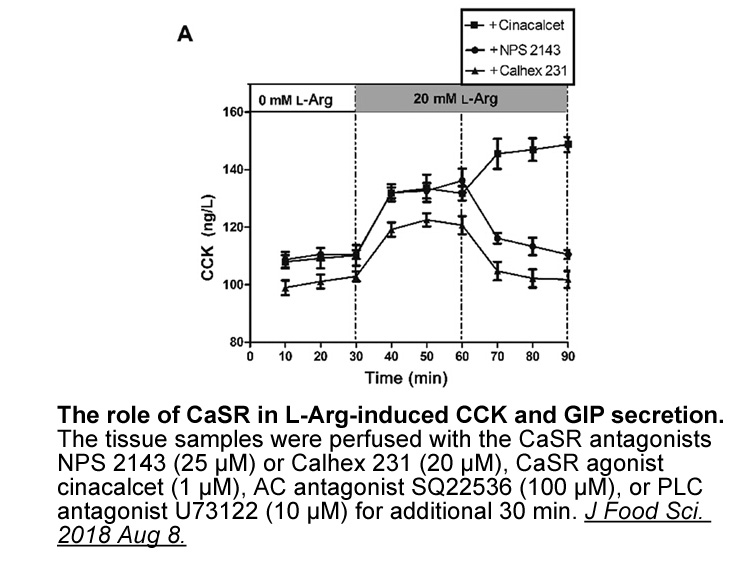
The Growth Hormone Secretagogue Receptor (GHSR), also known as the ghrelin receptor, is a G protein-coupled receptor (GPCR) expressed widely throughout the body and brain, with particular enrichment in Oxybutynin regions concerned with homeostatic and motivational function such as the hypothalamus,
-
The identity of the K
2021-10-18
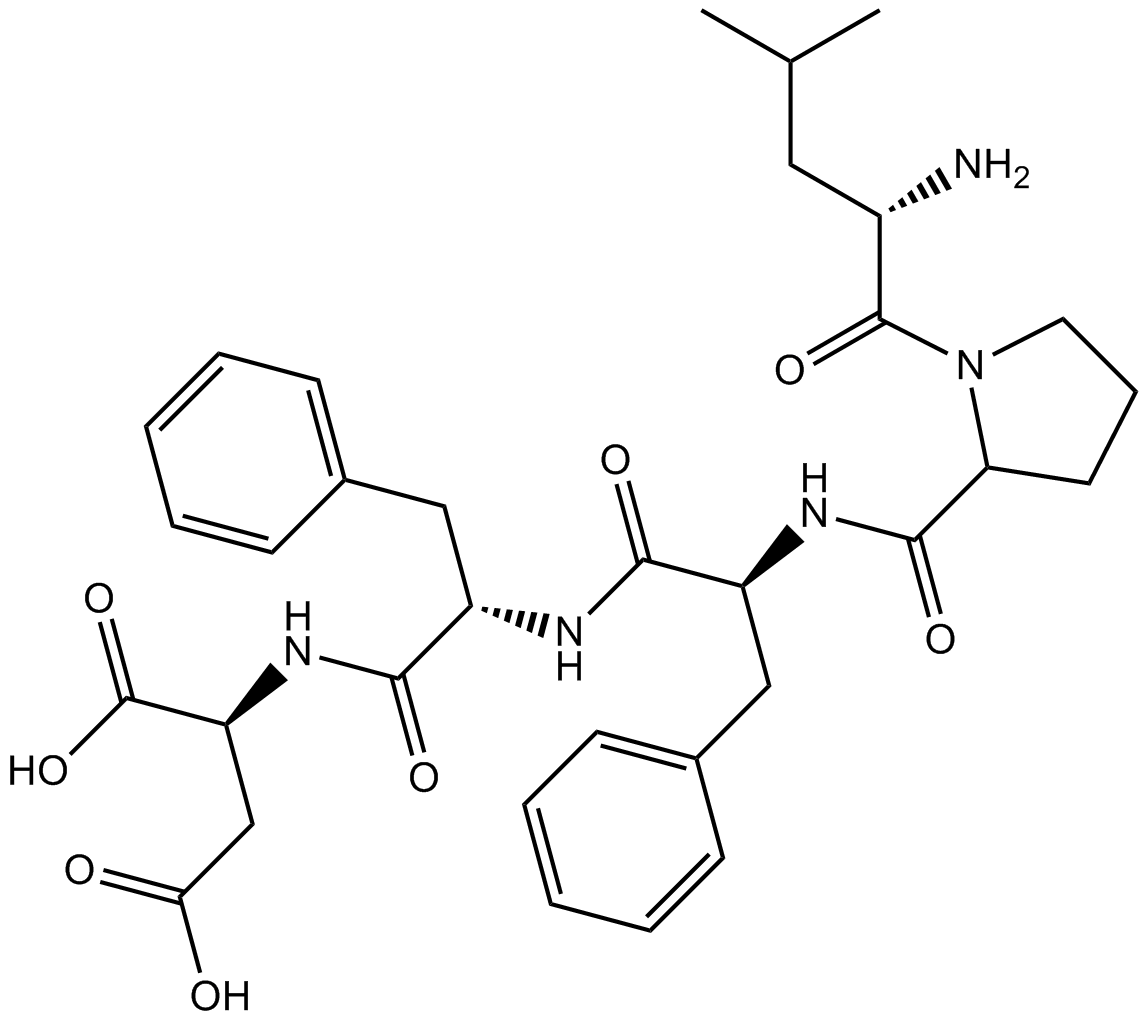
The identity of the K+ transport pathway activated by NEM remains unclear. The pathway does not require the presence of Gardos channel KCNN4 or K–Cl cotransporters KCC3 and KCC1, but like these pathways is sensitive to the presence of hemoglobin S or other sickling hemoglobins. Although partially se
-
The chemical structure of BAs consists of a steroid nucleus
2021-10-18
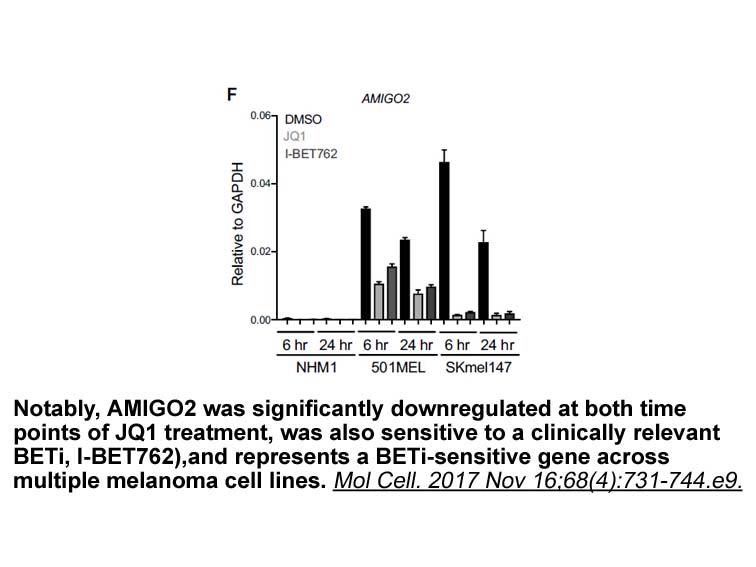
The chemical structure of BAs consists of a steroid nucleus with an acidic side chain. They are amphipatic molecules characterized by a hydrophilic α-face and a hydrophobic β-face. The hydrophobic pocket of the FXR LBD interacts with BAs largely through the β-face. The α-face contains several hydrox
-
1-NM-PP1 Brain derived neurotrophic factor BDNF is the
2021-10-16
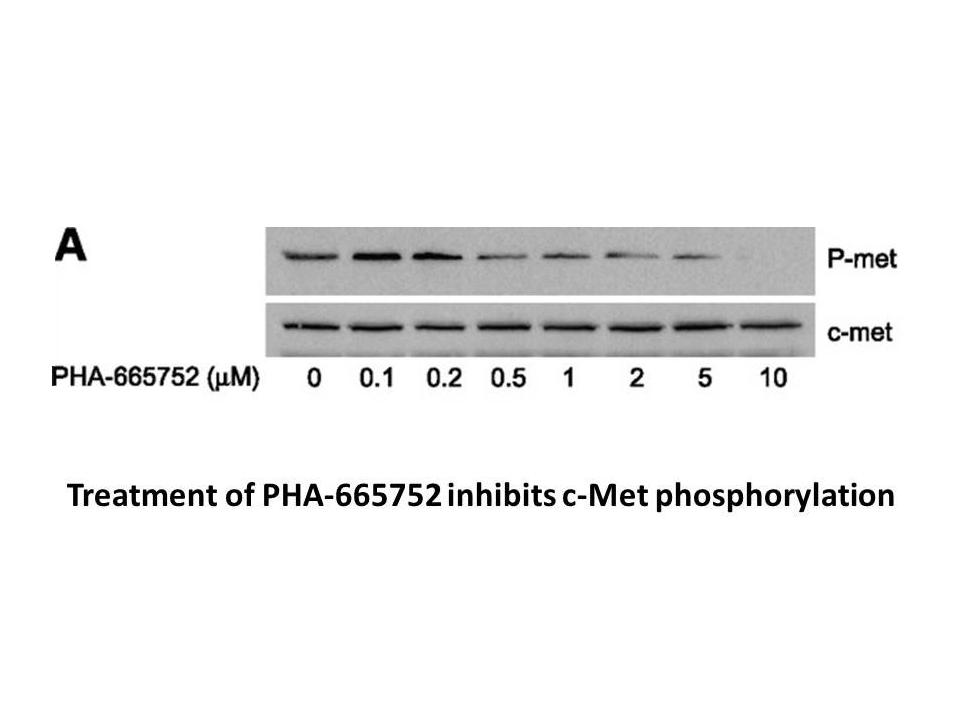
Brain-derived neurotrophic factor (BDNF) is the most abundant growth factor in the brain and is critical for neuronal development and synaptic plasticity (Bekinschtein et al., 2008; Lu et al., 2014). Besides playing an important role in mood and cognition, BDNF is also involved in the regulation of
-
Receptor activator of NF B ligand RANKL
2021-10-16
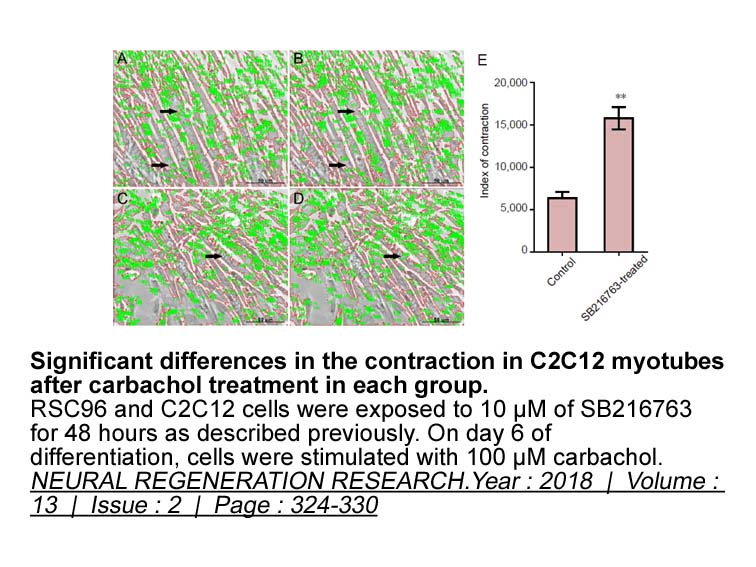
Receptor activator of NF-κB ligand (RANKL) and macrophage colony-stimulating factor (M-CSF) stimulate the generation of osteoclast Bupivacaine HCl mg [10], [11], [12], [13]. In response to sphingosine 1-phosphate (S1P) signaling, osteoclasts then attach to regions of bone undergoing resorption [14]
-
In summary we have discovered the first examples of movement
2021-10-16
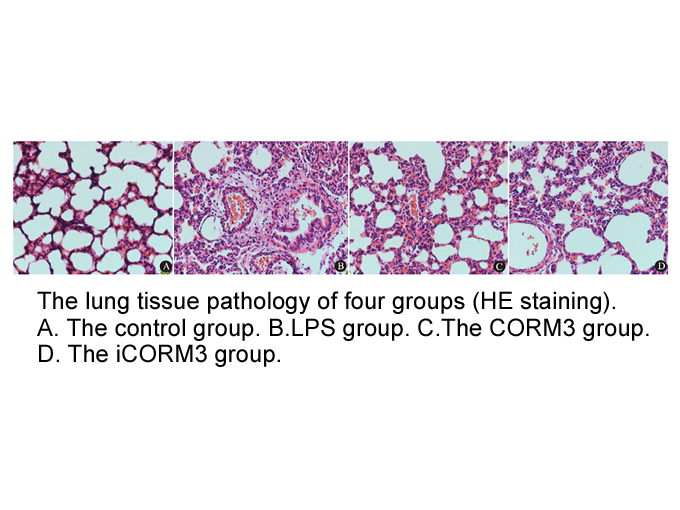
In summary, we have discovered the first examples of movement of Asp189 upon binding to fXa inhibitors. A series of novel and potent fXa inhibitors with a phenyltriazolinone P moiety were identified. Although the general binding mode compared to our previously-reported fXa inhibitors was maintained,
-
This study was supported by the Finance Department
2021-10-16
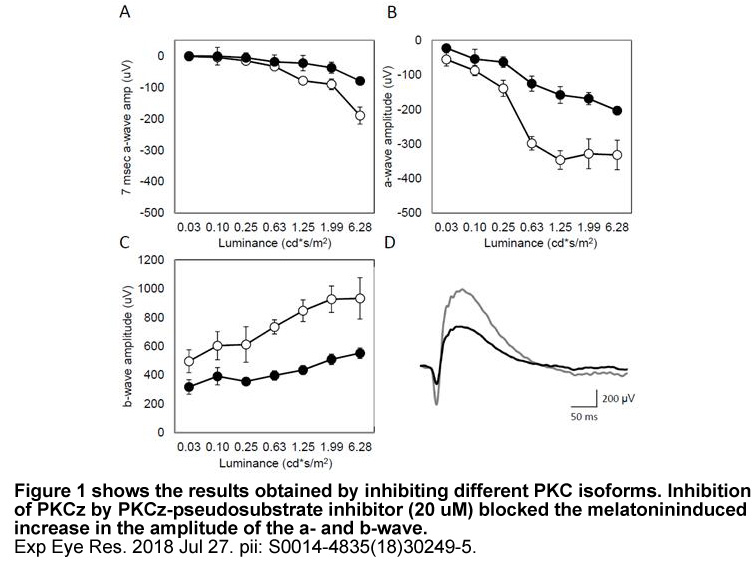
This study was supported by the Finance Department Foundation of Jilin Province (3D5178963428). Introduction Breast cancer is one of the leading cause of death in women worldwide [1,2]. Due to recent advances of combined therapies, survival rate of breast has improved significantly. However, bre
-
Freinkel first reported in the late
2021-10-16
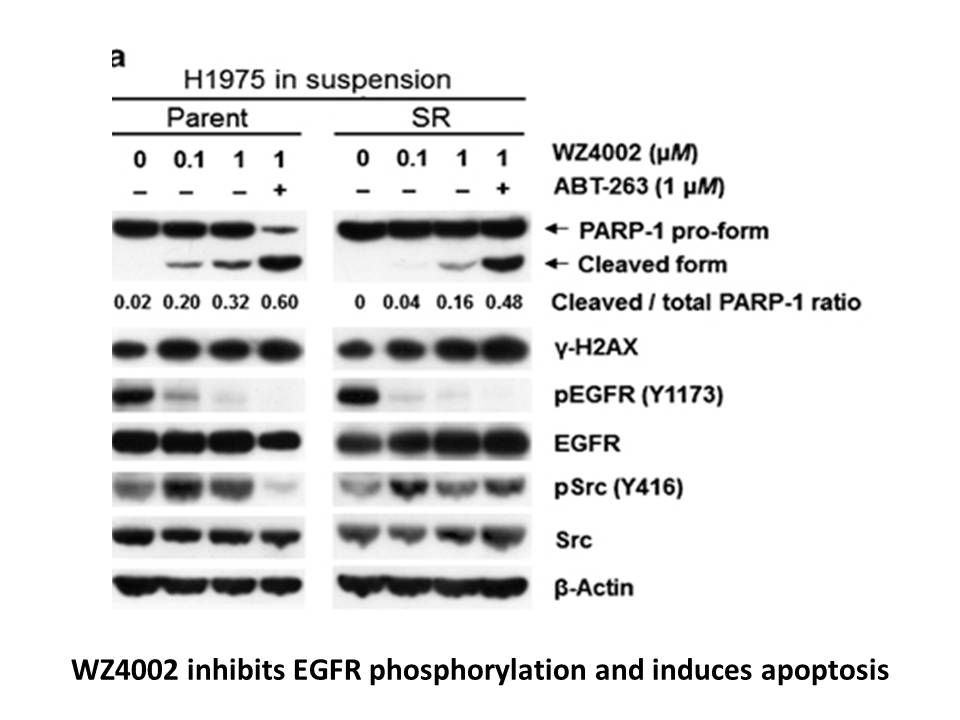
Freinkel first reported in the late 1960s that maternal hypertriglyceridemia benefits the fetus during starvation by increasing maternal consumption of triglyceride for ketone body synthesis giving the basis for “accelerated starvation” theory [4,5]. This maternal metabolic reprogramming during peri
-
The second class of proteins necessary for
2021-10-16
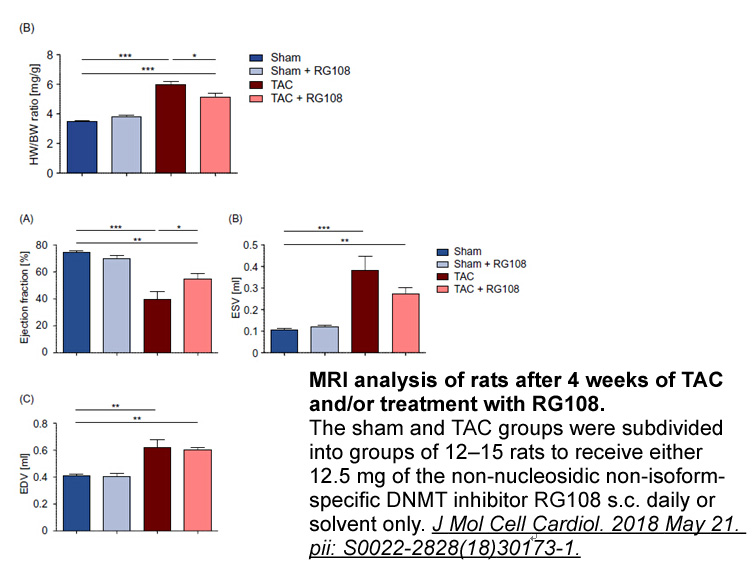
The second class of proteins necessary for maintaining ibotenic acid dynamics is chromatin modifiers, which are considered ‘writers’ and ‘erasers’ and are responsible for modifications of histone N-terminal tails. These post-translational modifications can have direct or indirect effects on chromati
16249 records 608/1084 page Previous Next First page 上5页 606607608609610 下5页 Last page