Archives
- 2026-08
- 2026-07
- 2026-06
- 2026-05
- 2026-04
- 2026-03
- 2026-02
- 2026-01
- 2025-12
- 2025-11
- 2025-10
- 2025-09
- 2025-03
- 2025-02
- 2025-01
- 2024-12
- 2024-11
- 2024-10
- 2024-09
- 2024-08
- 2024-07
- 2024-06
- 2024-05
- 2024-04
- 2024-03
- 2024-02
- 2024-01
- 2023-12
- 2023-11
- 2023-10
- 2023-09
- 2023-08
- 2023-07
- 2023-06
- 2023-05
- 2023-04
- 2023-03
- 2023-02
- 2023-01
- 2022-12
- 2022-11
- 2022-10
- 2022-09
- 2022-08
- 2022-07
- 2022-06
- 2022-05
- 2022-04
- 2022-03
- 2022-02
- 2022-01
- 2021-12
- 2021-11
- 2021-10
- 2021-09
- 2021-08
- 2021-07
- 2021-06
- 2021-05
- 2021-04
- 2021-03
- 2021-02
- 2021-01
- 2020-12
- 2020-11
- 2020-10
- 2020-09
- 2020-08
- 2020-07
- 2020-06
- 2020-05
- 2020-04
- 2020-03
- 2020-02
- 2020-01
- 2019-12
- 2019-11
- 2019-10
- 2019-09
- 2019-08
- 2019-07
- 2019-06
- 2019-05
- 2019-04
- 2018-07
-
br Conflicts of interest br Financial support NZ is an
2020-09-18
Conflicts of interest Financial support NZ is an Established Investigator of the Dutch Heart Foundation (2013T111) and is supported by an ERC Consolidator grant (617376) from the European Research Council and by a Vici grant from the Netherlands Organization for Scientific Research (NWO; 91818
-
br Methods for assessing TLS While
2020-09-18
Methods for assessing TLS While the precise quantification of restricted DNA synthesis events is possible (e.g. unscheduled DNA synthesis (UDS) reveals NER), so far, it is impossible to identify TLS stretches of only a few nucleotides within the background of bulk DNA replication of normal DNA. N
-
br Materials and methods br Results Because
2020-09-18
Materials and methods Results Because of the specific binding of DGKε to an arachidonoyl group, there was a particular interest to evaluate the behavior of 2-AG with this isoform of DGK. The substrate specificity and kinetic constants for DGKε has been recently reported [13]. Using the preferr
-
glasdegib synthesis The compounds were ranked based on the G
2020-09-18
The compounds were ranked based on the Glide XP Score, as shown in . All 15 compounds were subject to a radiometric assay previously used in our lab to evaluate their ability to inhibit DHFR steady-state activity in recombinant TS-DHFR (A). Compound demonstrated greater than 50% inhibition of DHFR a
-
Multiple sequence alignment of the proteins in the DGAT
2020-09-18
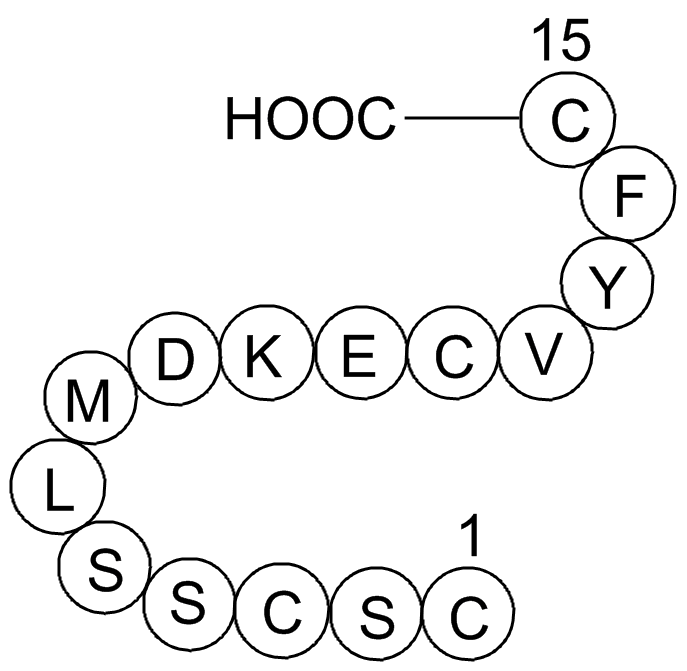
Multiple sequence alignment of the proteins in the DGAT1 sub-family shows that there are about 41 conserved amino Eribulin mg residues distributed over seven sequence motifs [74]. Unlike DGAT2, a large number of DGAT1 residues, including a majority of the conserved residues, are found in a loop on
-
Oxybutynin br Materials and methods br Acknowledgments br In
2020-09-18
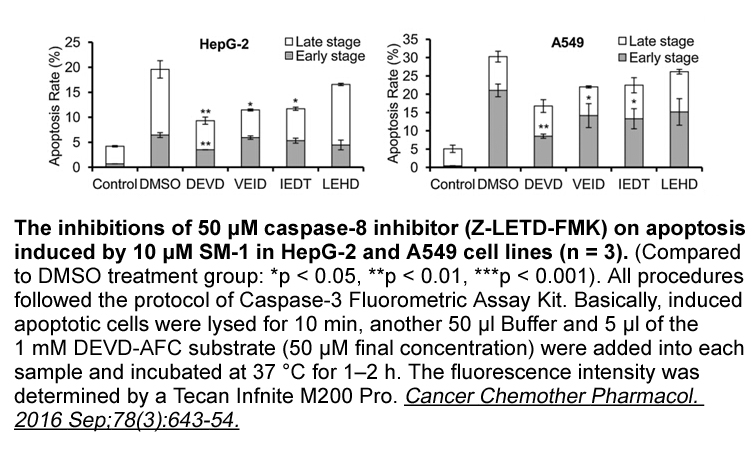
Materials and methods Acknowledgments Introduction Proton pumps convert the energy of high-energy compounds into the Oxybutynin of protons across biomembranes. They play two physiological roles: pH regulation and the formation of proton-motive forces in their membranes. The simplest of the
-
AP1903 Multivariate models take interactions between cytokin
2020-09-18
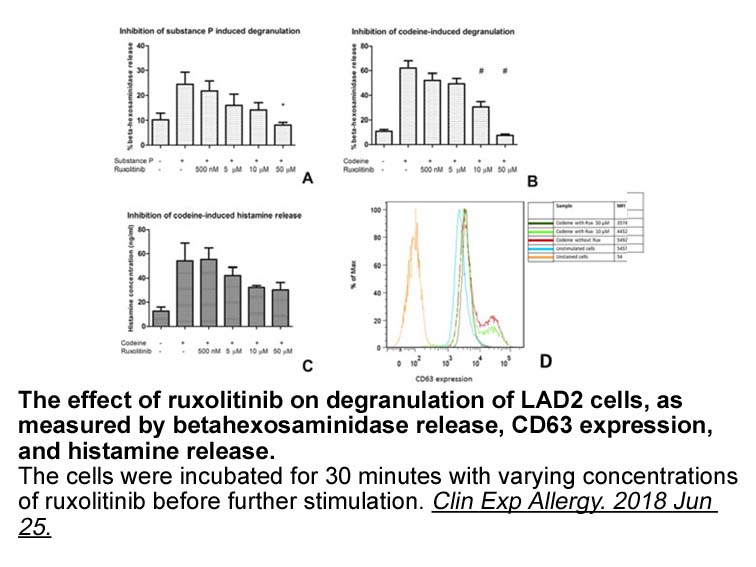
Multivariate models take interactions between cytokines into account and were used to accurately distinguish samples from different time points in pregnancy. The distinction accuracy did not increase with increasing time between the gestational time points, indicating that the cytokine development d
-
In the present study we identified that
2020-09-18
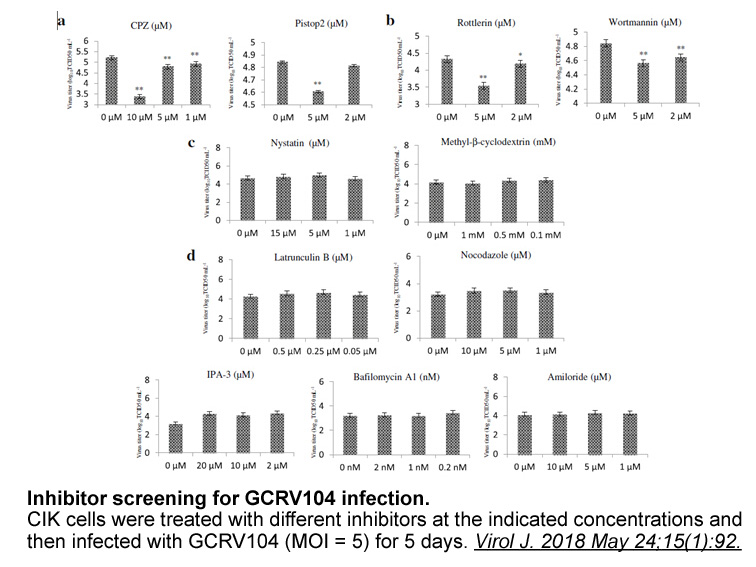
In the present study, we identified that SDF-1α could significantly elevate the expression of p-P65 in the NF-κB signaling pathway and p-Akt in the PI3K-Akt signaling pathway, while significantly reducing the expression of p-IκB in the NF-κB signaling pathway. AMD3100 and hesperidin antagonized the
-
Our study demonstrates that the duration of storage under
2020-09-17
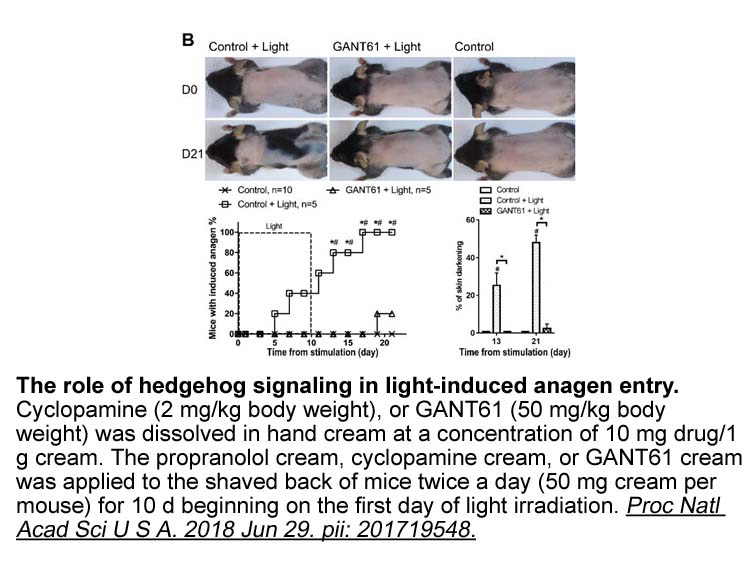
Our study demonstrates that the duration of storage under the conditions analysed did not have a major effect on the recovery efficiency for any of the swabs (Fig. 1). However, up to 4-fold differences in the recovery efficiencies were observed between the different swabs tested (Fig. 2). Using the
-
All of these experiments in
2020-09-17
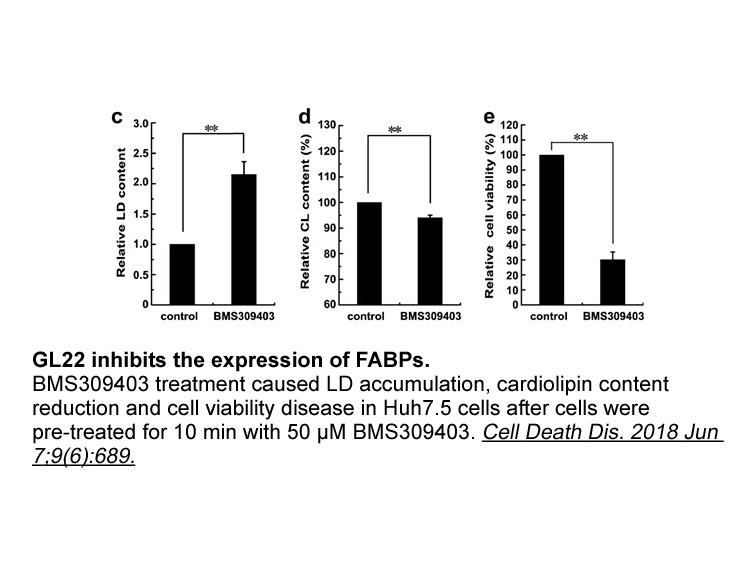
All of these experiments in GM matter injury models have identified an array of signaling mechanisms that are potentially important. First, Kim et al. proposed that CK2 acts as a negative modulator of NADPH oxidase [55]. Then Blanquet et al. [50] found that increased CK2 correlated with inhibition o
-
The third challenge is to understand the mechanisms of drug
2020-09-17

The third challenge is to understand the mechanisms of drug resistance. There are several different mechanisms of ES tumor to develop drug resistance. First, cancer stem cells are capable of proliferate and generate tumor cells with new sets of mutations which may harbor different protein targets [1
-
For the current studies we used the selective Epac agonist
2020-09-17
For the current studies, we used the selective Epac agonist 8CPT-AM to directly activate the proteins. We chose this pharmacological approach since it allows a direct activation of Epacs rather than using receptor agonists such as PGE2 which could introduce confounding variables. One potential conce
-
Tamoxifen The action of pt PGE as an
2020-09-17
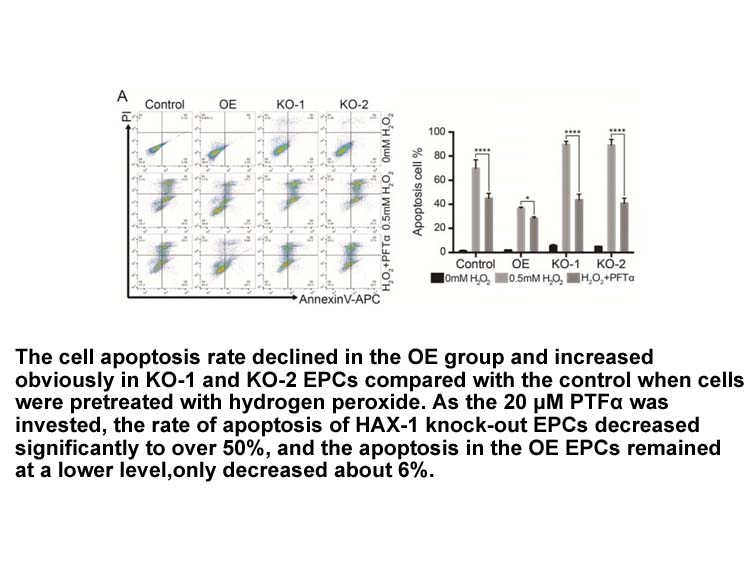
The action of 17-pt-PGE2 as an EP1 receptor agonist [34] was demonstrated in several experimental settings, including cancer, neurons, vascular system, kidney and was confirmed by application of EP1 receptor selective antagonists [35], [36], [37], [38], [39], [40], [41]. Receptor binding studies in
-
br Disclosures br Acknowledgements This work was supported b
2020-09-16

Disclosures Acknowledgements This work was supported by the Natural Science Foundation of China (No. 81560587); the Fok Ying-Tong Education Foundation of China (No. 151107), the basic ability promotion project for young and middle-aged teachers in Universities in Guangxi (No. 2018KY1146) and t
-
As retinol was not inducing any of the isoforms
2020-09-16
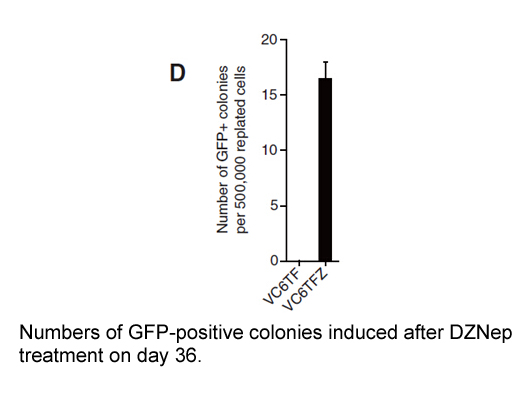
As retinol was not inducing any of the isoforms of CYP450 responsible for the bioactivation of paracetamol, we decided to examine retinol\'s effect on renal and hepatic glutathione to determine whether retinol was potentiating hepatotoxicity through a mechanism of glutathione depletion. Studies, uti
16324 records 827/1089 page Previous Next First page 上5页 826827828829830 下5页 Last page