Archives
- 2026-08
- 2026-07
- 2026-06
- 2026-05
- 2026-04
- 2026-03
- 2026-02
- 2026-01
- 2025-12
- 2025-11
- 2025-10
- 2025-09
- 2025-03
- 2025-02
- 2025-01
- 2024-12
- 2024-11
- 2024-10
- 2024-09
- 2024-08
- 2024-07
- 2024-06
- 2024-05
- 2024-04
- 2024-03
- 2024-02
- 2024-01
- 2023-12
- 2023-11
- 2023-10
- 2023-09
- 2023-08
- 2023-07
- 2023-06
- 2023-05
- 2023-04
- 2023-03
- 2023-02
- 2023-01
- 2022-12
- 2022-11
- 2022-10
- 2022-09
- 2022-08
- 2022-07
- 2022-06
- 2022-05
- 2022-04
- 2022-03
- 2022-02
- 2022-01
- 2021-12
- 2021-11
- 2021-10
- 2021-09
- 2021-08
- 2021-07
- 2021-06
- 2021-05
- 2021-04
- 2021-03
- 2021-02
- 2021-01
- 2020-12
- 2020-11
- 2020-10
- 2020-09
- 2020-08
- 2020-07
- 2020-06
- 2020-05
- 2020-04
- 2020-03
- 2020-02
- 2020-01
- 2019-12
- 2019-11
- 2019-10
- 2019-09
- 2019-08
- 2019-07
- 2019-06
- 2019-05
- 2019-04
- 2018-07
-
Although our knowledge of the biochemical and biological fun
2020-07-22
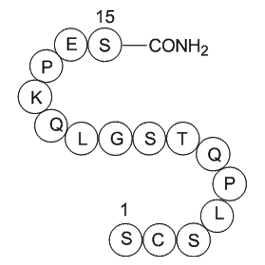
Although our knowledge of the biochemical and biological functions of E3 ubiquitin ligases has increased in B-cell malignancies, a deeper characterization of cell-context dependent substrate regulation and biological relevance is needed. The recent approval of a general proteasome inhibitor, VELCADE
-
br Conflicts of interest br Introduction Diacylglycerols DAG
2020-07-22
Conflicts of interest Introduction Diacylglycerols (DAGs) and phosphatidic IWR-1-endo (PA) play fundamental roles in biology as basic components of membranes, intermediates in lipid metabolism, and secondary messengers in cellular signaling (Carrasco and Merida, 2007, Fang et al., 2001). Cell
-
A number of studies have been carried
2020-07-22

A number of studies have been carried out to understand lipid production pathways and to increase TAGs level in higher plants. Overexpression of key Phos-tag Biotin of the Kennedy pathway until now is by far the most successful strategy to increase TAG lipid content in Brassica napus, Arabidopsis t
-
Cytochromes P CYP are a superfamily of hemoproteins containi
2020-07-22
Cytochromes P450 (CYP 450) are a superfamily of hemoproteins containing a heme cofactor, which are widely distributed in animals, plants and microbes (Hannemann et al., 2007). CYP450 exhibits a variety of biological functions including biotransformation of drugs, detoxification of endogenous and xen
-
CXCL mediated cell migration is facilitated
2020-07-22
CXCL16 mediated cell migration is facilitated by the interaction of soluble CXCL16 with CXCR6, expressed predominantly on the cell surface of CD4+ Th1 cells, cancer infiltrating lymphocytes and platelets (Borst et al., 2012, Kim et al., 2001, Liao et al., 1997, Wilbanks et al., 2001). CXCR6 is invol
-
The conventional medical therapy for IBD consists
2020-07-22
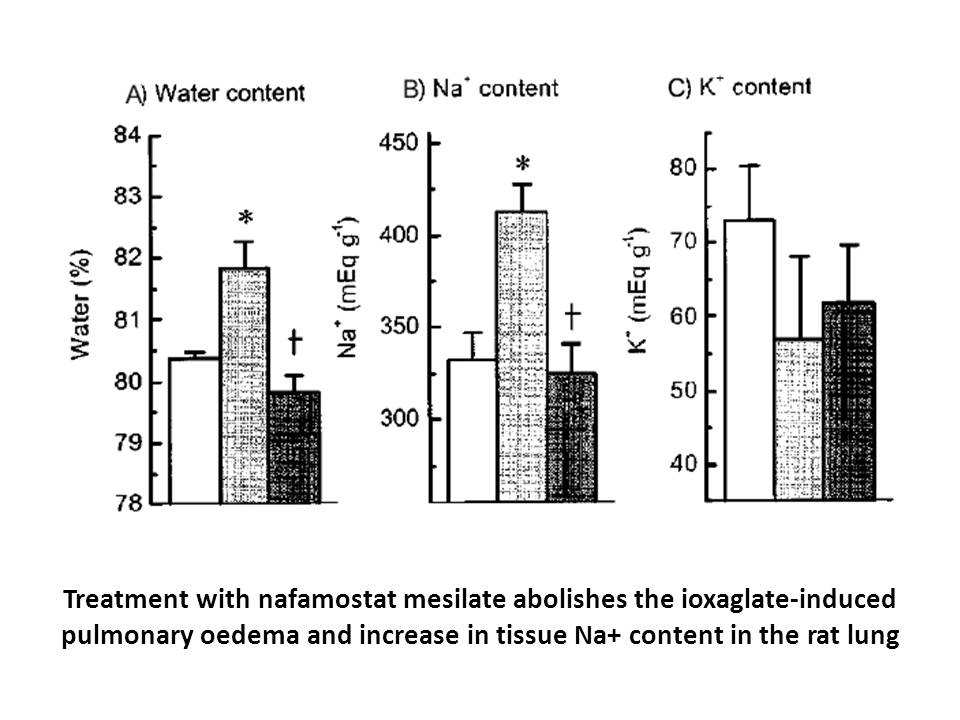
The conventional medical therapy for IBD consists in reducing the inflammatory response using various strategies that exert severe side-effects, a strategy that also decreases the risk of colon carcinoma [13], [14]. During the last decade, the activation of the cholinergic system has been proposed f
-
Preparation of the pyridyl ether analogs
2020-07-22
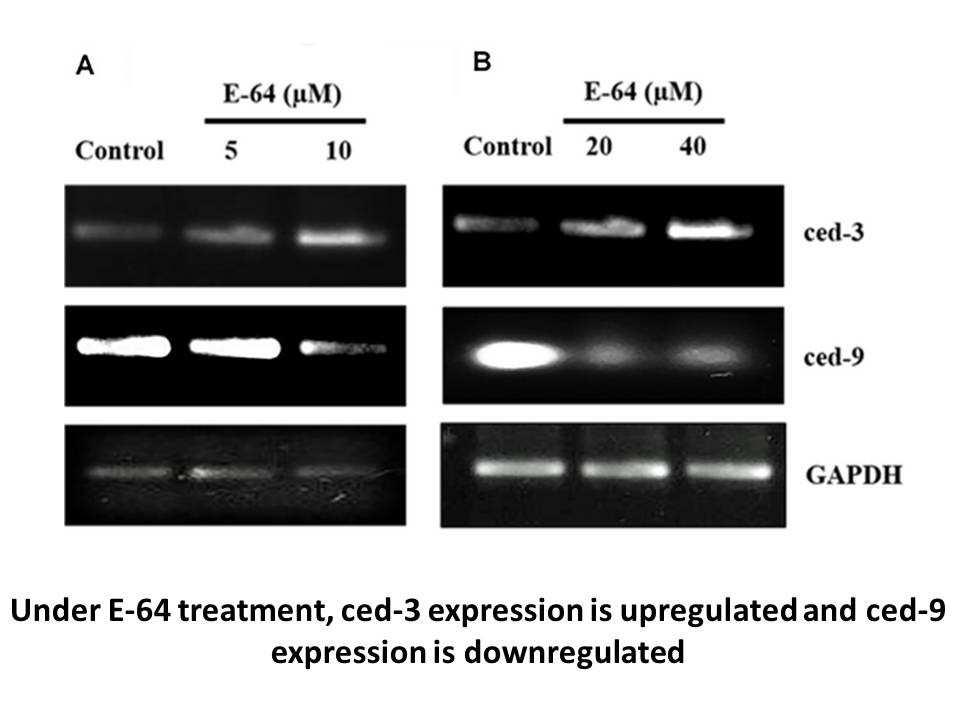
Preparation of the 2-pyridyl ether analogs (–) was accomplished by alkylation of alcohol with 2-bromopyridines in the presence of NaH to afford the desired pyridyl ether analogs in low to moderate yield. Preparation of the 3-pyridyl analog was carried out by conversion of alcohol to the tosylate,
-
Because sex steroids and growth hormone play
2020-07-22
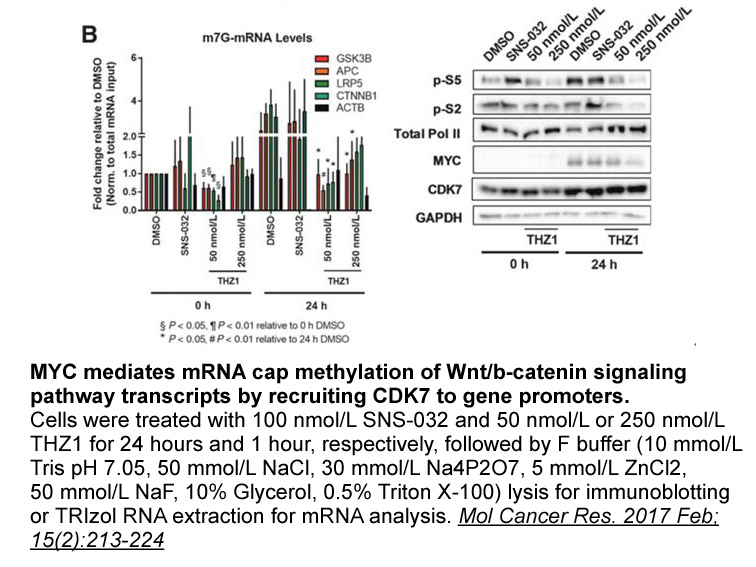
Because sex steroids and growth hormone play an important role in the development and maintenance of hepatic CYP450 enzyme expression and ER expression, it is possible that exposure to endocrine active agents during gestation and perinatally could alter expression of these proteins. Therefore, these
-
br Conflicts of interest br Introduction Arylamine N
2020-07-21
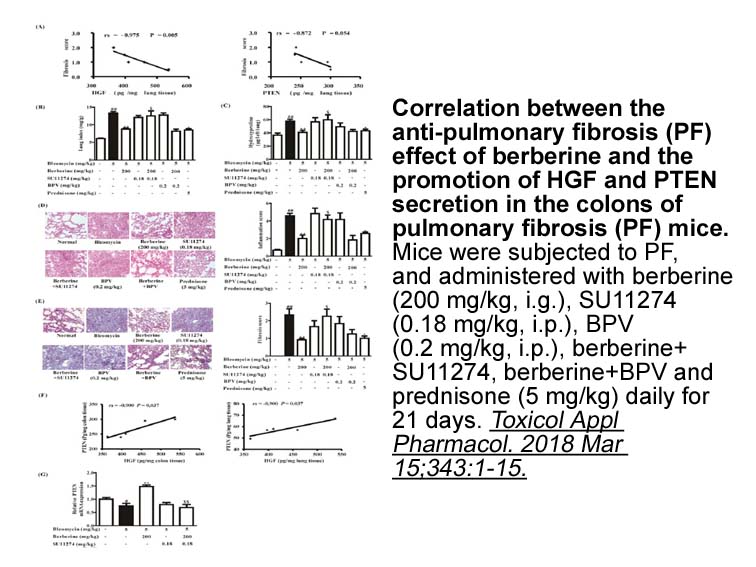
Conflicts of interest Introduction Arylamine N-acetyltransferase 1 (NAT1, EC 2.3.1.5) is a cytosolic enzyme that catalyses the acetylation of small molecule arylamines, hydrazines and sulphonamides (Hein, 2002). Found in most LY2835219 in the body, NAT1 expression is regulated at the transcrip
-
The present review also summarizes the efforts that have
2020-07-21
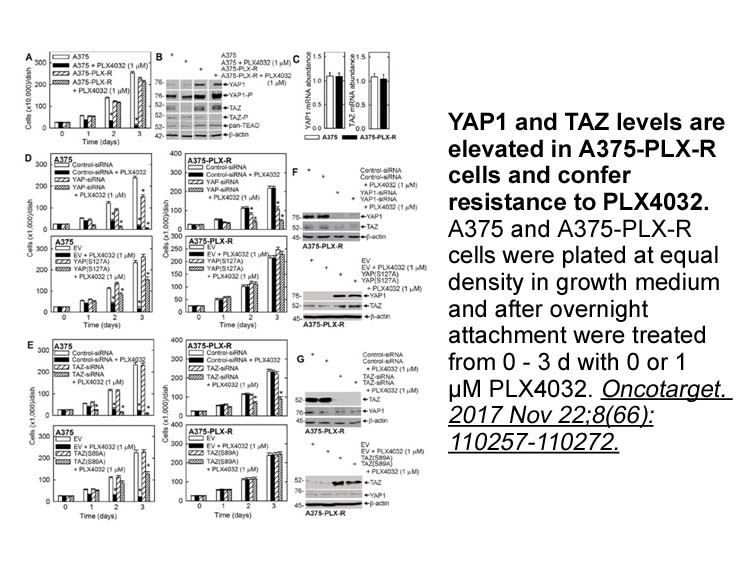
The present review also summarizes the efforts that have been made to find new c-FMS inhibitors under clinical trial as given in the Table 1. These inhibitors may reduce the burdens of potency and side effects that have faced the scientists globally. ABT-869 41 was manufactured in Abbott laboratorie
-
Additionally of outmost important is the location of the dif
2020-07-21
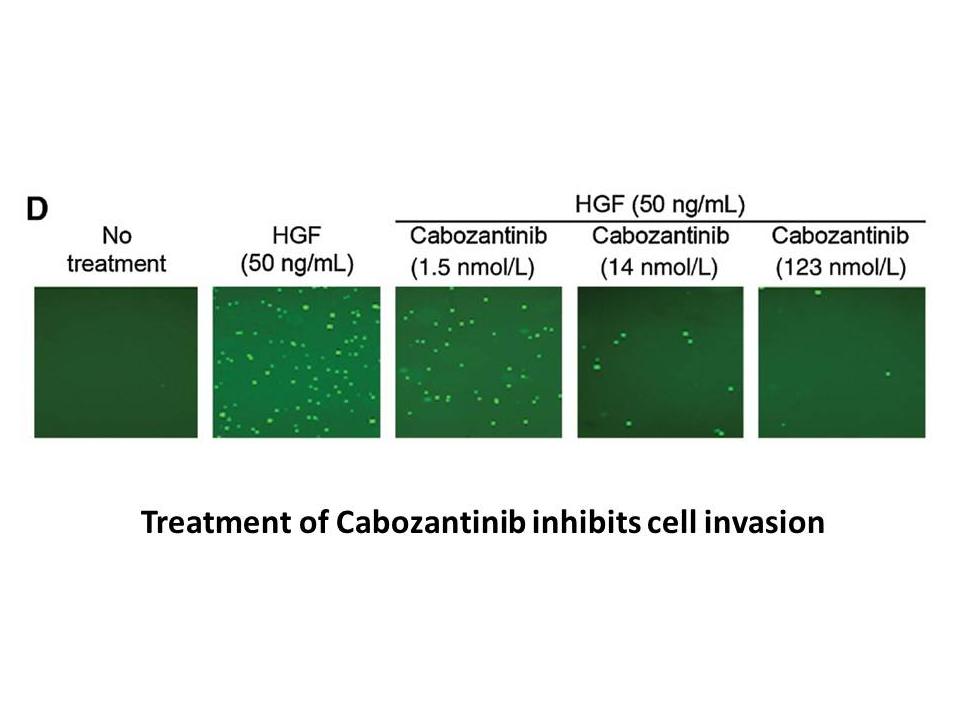
Additionally, of outmost important is the location of the different CpG islands in relation to the transcription starting site (TSS) of the promoter as well as their interaction with transcription activators or repressors. It has been shown that methylation at the downstream region of the TSS in the
-
Khan et al studied the effects of two
2020-07-21
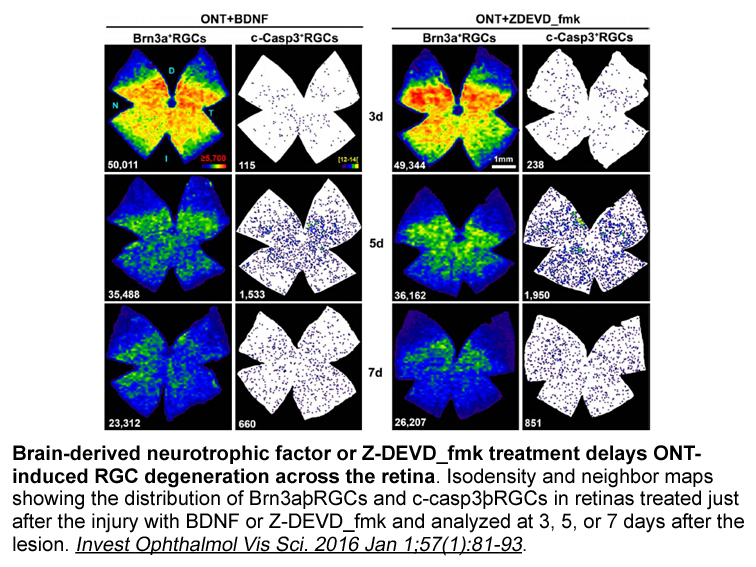
Khan et al. studied the effects of two structurally divergent coumarins viz calipteryxin 3 and (3′S,4′S)-3′,4′-disenecioyloxy-3′,4′-dihydroseselin 4 from Seseli recinosum, in lipopolysaccharide (LPS)-stimulated murine macrophages. The study revealed that calipteryxin and (3′S,4′S)-3′,4′-disenecioylo
-
The binding pattern of was analysed by
2020-07-21
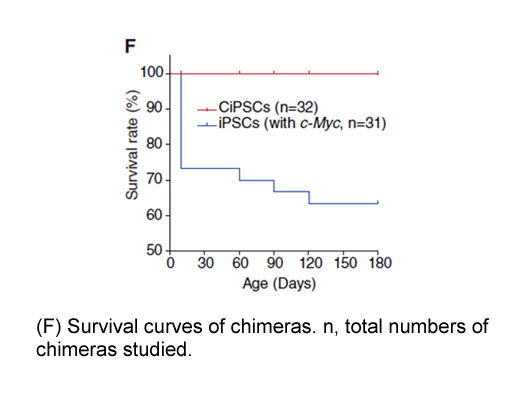
The binding pattern of 1 was analysed by flexible molecular docking. The calcifediol inserted into the narrow ATP binding site of CK2 (Fig. 2). As shown the aliphatic chain of 1 was located at the edge of the pocket and established van der Waals interactions with the side chains residues of Ile95, M
-
Material and Methods We reviewed the
2020-07-21
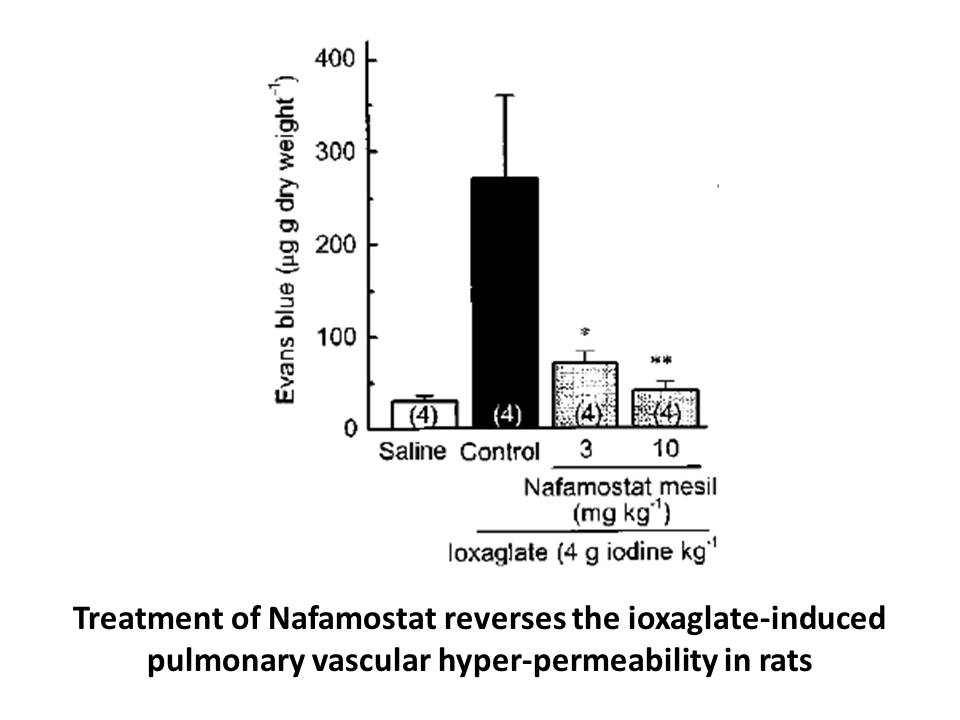
Material and Methods We reviewed the following databases to obtain relevant studies of udenafil: PubMed, Embase, and the Cochrane Library. The following search terms were used: (“udenafil” OR “Zydena” OR “DA 8159”) AND (“Erectile Dysfunction” OR “Impotence”). We also searched the references of incl
-
The selective estrogen receptor modulators SERMs are another
2020-07-21
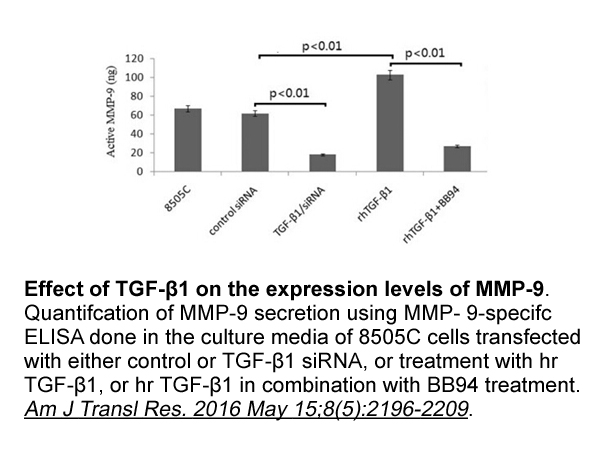
The selective estrogen receptor modulators (SERMs) are another type of estrogen receptor ligands. The main difference between SERMs and xenoestrogens relies on the fact that SERMs present functional duality and are able to act both as agonists and antagonists of the estrogen receptors in different t
16324 records 849/1089 page Previous Next First page 上5页 846847848849850 下5页 Last page